When it comes to NdFeB magnets (neodymium iron boron magnets), their performance and durability are not solely determined by the magnet's core material. One of the most crucial factors that impact their lifespan, functionality, and effectiveness is the coating used to protect them. Magnet coatings are essential in preventing corrosion and ensuring the longevity of the magnets, especially in environments where humidity, temperature fluctuations, and chemical exposure are common.
In this guide, we’ll share five expert tips for choosing the right coating for your NdFeB magnets. Whether you are using these magnets in industrial applications, electronics, automotive components, or even medical devices, selecting the proper coating can enhance their performance and extend their lifespan.
At Jiangxi Yueci Magnetic Material Technology Co., Ltd., we understand the importance of choosing the right magnet coatings for various applications, and we are committed to helping our customers find the most suitable solution. Let’s dive into the factors that will help you choose the ideal coating for your NdFeB magnets.
1. Understand the Environmental Conditions
Before selecting a coating for your NdFeB magnets, it’s crucial to assess the environment in which the magnets will be used. Magnets used in different applications face various environmental challenges, such as humidity, salt exposure, and temperature extremes. Each of these factors can contribute to corrosion, leading to decreased magnet performance.
Consider the following environmental conditions:
Humidity and Moisture: If your magnets will be exposed to high humidity or wet environments, a corrosion-resistant coating is essential.
Chemical Exposure: Magnets used in industrial applications may encounter chemicals that could degrade their surface if not properly protected.
Temperature Variations: If the magnets will be exposed to high or low temperatures, the coating should be able to withstand thermal expansion and contraction without cracking or peeling.
By understanding the specific conditions your magnets will be exposed to, you can select a coating that will offer the best protection against these environmental factors.
2. Choose the Right Anti-Corrosion Coating
Corrosion is one of the primary challenges in the longevity of NdFeB magnets, as they are particularly prone to rust when exposed to moisture. To combat this, choosing the right anti-corrosion coating is essential.
Common Anti-Corrosion Coatings for NdFeB Magnets:
Nickel (Ni) Coating: Nickel is one of the most popular coatings for NdFeB magnets. It offers a good balance of protection against corrosion and cost-effectiveness. However, it may not be the best option for high-humidity environments, as it can eventually degrade.
Zinc (Zn) Coating: Zinc coatings provide excellent corrosion resistance, especially in environments where magnets are exposed to salt or moisture. Zinc is highly effective in preventing corrosion and is often used for outdoor applications.
Epoxy Coating: Epoxy coatings are durable and provide a thick protective layer. They are ideal for harsh environments and offer superior corrosion resistance, particularly in areas with high humidity.
Gold and Silver Plating: These coatings are less common but are used for specialized applications where high corrosion resistance is critical, especially in electronic components.
Each of these coatings provides varying levels of protection against corrosion, and the right choice depends on your specific environmental conditions and the application of the magnet.
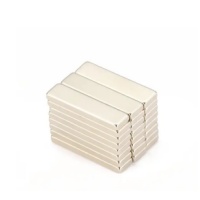
3. Evaluate the Magnetic Performance Impact
When choosing a coating for NdFeB magnets, it’s important to consider both corrosion resistance and the impact on magnetic performance. The coating should not hinder the magnet’s magnetic strength or reduce its ability to perform. The magnetic field plays a crucial role in various applications, and different coatings can influence how well the magnet performs.Key Considerations for Magnetic Performance:
Thickness of Coating: A thicker coating, such as epoxy, offers better protection but may slightly reduce the magnetic strength. It is important to balance protection with performance based on your application’s needs.
Coating Material: Some coatings, like nickel, tend to have minimal impact on magnetic performance, while others, like certain epoxies, may have a slight effect on the magnetic properties.
Always consider the balance between protection and magnetic efficiency. For applications where magnetic strength is critical, selecting a thinner coating or one with minimal impact on the magnetic field is ideal.
4. Consider the Durability and Lifespan of the Coating
When selecting a coating for NdFeB magnets, it’s essential to consider the durability and lifespan of the coating, as it directly impacts the magnet’s long-term performance and reliability. Over time, exposure to physical wear, harsh chemicals, and challenging environmental conditions can degrade coatings, potentially affecting the magnet’s function. The best coatings offer superior abrasion resistance, chemical resistance, and environmental protection, ensuring that the magnet remains effective over its lifespan.
Factors Affecting Coating Durability:
Abrasion Resistance
Magnets in industrial environments are often subjected to mechanical stress, including impacts, scrapes, and friction. This can wear down the coating, exposing the magnet to potential corrosion and reducing its effectiveness. To ensure that the coating withstands physical wear, it’s important to select one with high abrasion resistance. Coatings like nickel and epoxy are known for their ability to resist scratches, abrasions, and general wear, making them ideal for heavy-duty applications.
Chemical Resistance
Magnets used in harsh environments, such as chemical plants or pharmaceutical manufacturing, are often exposed to aggressive chemicals that can degrade coatings. In such cases, it is crucial to select coatings designed to resist chemical exposure. Polyurethane coatings and epoxy are highly resistant to chemical damage, making them suitable for environments where magnets come into contact with substances like acids, solvents, or corrosive gases. These coatings maintain the integrity of the magnet’s surface, even in chemically aggressive settings.
UV Resistance
For magnets used in outdoor applications, UV resistance is a critical factor in maintaining the coating’s durability. Prolonged exposure to sunlight can cause coatings to break down, leading to cracking, fading, or peeling. To ensure the coating remains intact under UV exposure, choose coatings with UV resistance, such as UV-resistant epoxies or polyurethane coatings. These coatings provide a protective barrier against harmful UV rays, ensuring that the magnet remains fully functional even after extended outdoor use.
Environmental Conditions
Beyond abrasion, chemicals, and UV rays, other environmental factors such as temperature fluctuations, humidity, and salt exposure can also impact the coating’s performance. For example, magnets used in marine environments require coatings that resist saltwater corrosion, while those exposed to extreme temperatures should have coatings that can endure thermal expansion and contraction without cracking or peeling.
A durable coating will ensure that the magnet remains protected throughout its operational life, which is critical for long-term use in demanding environments.
5. Cost-Effectiveness and Maintenance
When choosing a coating, it’s important to weigh the cost of the coating against the benefits it offers. Some coatings are more expensive upfront, but they can save money in the long term by extending the life of the magnet and reducing maintenance costs.
Cost Considerations:
Nickel and Zinc Coatings: These coatings are relatively inexpensive and offer a good balance of performance and protection for general applications.
Epoxy Coatings: While epoxy coatings are more expensive, they offer superior protection for harsh environments, making them a wise investment for critical applications.
Gold or Silver Coatings: These are often reserved for specialized applications where high performance and durability are essential, such as in medical or high-tech equipment.
Choosing the right coating for your NdFeB magnets involves finding a balance between cost, protection, and magnetic performance to ensure you get the best value over the long term.
Conclusion: Choosing the Right Coating for Your NdFeB Magnets
The right coating can significantly enhance the performance, durability, and longevity of your NdFeB magnets, providing effective protection against corrosion, environmental elements, and wear. By considering factors such as environmental conditions, magnetic performance, coating durability, and cost, you can make an informed decision that optimizes both the efficiency and lifespan of your magnets.
At Jiangxi Yueci Magnetic Material Technology Co., Ltd., we offer a wide range of NdFeB magnets with advanced coatings designed to meet the specific needs of various applications. Our team of experts is dedicated to helping you find the perfect magnet coating to suit your environment, ensuring both high performance and long-term reliability.
Contact us today to learn more about how the right coating for NdFeB magnets can enhance your business and applications.
FAQ
1. What is the best coating for NdFeB magnets used outdoors?
For outdoor applications, zinc coatings and epoxy coatings are ideal due to their strong corrosion resistance and ability to withstand harsh weather conditions.
2. Do coatings affect the magnetic properties of NdFeB magnets?
Yes, coatings can have a slight impact on magnetic properties, especially if the coating is thick. It’s essential to choose coatings that offer the right balance of protection and minimal effect on magnet strength.
3. How do I choose the right coating for my NdFeB magnets?
Consider factors such as environmental exposure, the required lifespan of the magnet, and the specific application. Coatings like nickel offer basic protection, while epoxy is best for harsh environments.
4. Are there coatings that are both cost-effective and durable for NdFeB magnets?
Nickel coatings are a cost-effective choice that provides a reasonable level of protection. For harsher environments, epoxy coatings are more expensive but offer superior protection and durability.