Neodymium magnets, also known as NdFeB magnets, are among the strongest permanent magnets available today. Their impressive magnetic strength and compact size make them essential in numerous industries, ranging from electronics to renewable energy. As the demand for high-performance magnets continues to grow, one key question arises: how strong can neodymium magnets get? In this article, we will explore the properties of NdFeB magnets, factors that influence their strength, and the potential applications of these super-strong magnets. We will also delve into the limitations and advancements in neodymium magnet technology.
What Are Neodymium Magnets (NdFeB)?
Neodymium magnets are a type of rare-earth magnet made from an alloy of neodymium, iron, and boron (NdFeB). They are known for their incredible strength relative to their size, which is why they are used in applications requiring high magnetic performance in a small package. These magnets were first developed in the 1980s and have since become indispensable in various fields such as motor technology, data storage, and medical devices.
The combination of neodymium, iron, and boron in these magnets allows them to generate extremely strong magnetic fields. While other types of magnets, such as ceramic or alnico magnets, are commonly used in less demanding applications, NdFeB magnets stand out for their ability to maintain high magnetic strength in a compact form.
Factors Influencing the Strength of Neodymium Magnets
Several factors contribute to the strength of neodymium magnets. The combination of material composition, processing techniques, and design specifications determines the overall performance of these magnets. Let’s break down these elements:
1. Material Composition
The strength of NdFeB magnets primarily depends on their material composition, which includes neodymium (Nd), iron (Fe), and boron (B). Neodymium is the key component that provides the primary magnetic properties. It is a rare-earth metal that has a high intrinsic magnetic moment, allowing the magnet to achieve exceptional magnetic strength.
Iron (Fe) is the structural component of the magnet, providing stability and contributing to the overall performance of the magnet.
Boron (B) is added to enhance the magnet's resistance to corrosion and to improve its overall hardness and stability. This helps in maintaining the strength of the magnet over time.
In addition to these core components, the inclusion of other rare-earth elements like dysprosium (Dy) or terbium (Tb) can further improve the magnet’s strength, particularly in terms of heat resistance. These additions make the magnet more resistant to temperature fluctuations, allowing it to perform better in harsh environments.
2. Magnetization Process
The process of magnetizing NdFeB material plays a crucial role in determining the magnet's strength. During production, the magnet is exposed to powerful external magnetic fields. These fields align the magnetic domains in the material, which are essentially tiny magnetic regions that determine the overall magnet’s behavior.
The degree of alignment of these domains significantly influences the strength of the final product. The higher the alignment, the stronger the magnetic field generated by the magnet. Modern manufacturing techniques, such as using high-energy magnets during production, enhance this alignment, increasing the final strength of the magnet.
3. Temperature Stability
Another key factor in the strength of NdFeB magnets is their temperature stability. Like all magnets, neodymium magnets lose some of their magnetic strength as temperatures rise. Traditional NdFeB magnets can start to demagnetize at temperatures exceeding 80°C, significantly reducing their effectiveness.
However, advancements in material science have led to the development of high-temperature-resistant neodymium magnets. These magnets are specially designed to retain their strength even under extreme conditions, with some variants capable of operating at temperatures of up to 200°C. This makes them ideal for use in demanding applications like aerospace, automotive, and electronics, where high heat resistance is required.
4. Size and Shape
The size and shape of the magnet significantly affect its strength. Larger magnets can naturally produce stronger magnetic fields, but smaller, precision-engineered NdFeB magnets can still achieve remarkable strength relative to their size. The shape of the magnet, such as cylindrical or disc-shaped, can also influence how the magnetic field is distributed.
The Strength of Neodymium Magnets
So, how strong can neodymium magnets get? The strength of a magnet is typically measured in terms of magnetic energy product (measured in megagauss-oersteds, or MGOe), which quantifies how much work the magnet can perform within a given space. The higher the MGOe rating, the stronger the magnet.
Typical Magnetic Strength of NdFeB Magnets
Low-end NdFeB magnets: These can have a magnetic energy product of around 30 MGOe. They are still quite powerful compared to other magnet types and are used in less demanding applications.
High-end NdFeB magnets: Modern NdFeB magnets can achieve magnetic energy products exceeding 50 MGOe. These magnets are used in high-performance applications, including electric motors, magnetic resonance imaging (MRI) machines, and advanced electronics.
Specialized NdFeB magnets: The highest-performing NdFeB magnets can have magnetic energy products of 60 MGOe or more. These are typically used in industries where strength and compact size are critical, such as electric vehicle (EV) motors and wind turbine generators.
Comparison of Magnetic Strength
Magnet Type | Magnetic Energy Product (MGOe) | Applications |
Ceramic Magnets | 1-5 MGOe | Low-cost applications, speakers, toys |
Alnico Magnets | 5-10 MGOe | Microphones, guitar pickups, sensors |
NdFeB Magnets | 30-60 MGOe | Motors, renewable energy, medical devices |
Specialized NdFeB Magnets | 60+ MGOe | Electric vehicles, aerospace, high-performance systems |
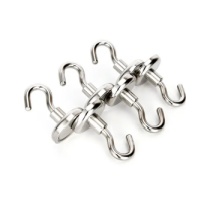
Applications of High-Strength Neodymium Magnets
The remarkable strength of NdFeB magnets allows them to be used in a wide variety of applications, from consumer electronics to industrial machinery. Here are some key uses of these powerful magnets:
1. Electric Motors
In electric vehicles (EVs) and hybrid cars, NdFeB magnets are used in the motors to convert electrical energy into mechanical motion. The high magnetic strength of these magnets makes them ideal for applications where efficiency and size are critical.
2. Wind Turbines
High-strength NdFeB magnets are also used in the generators of wind turbines. These magnets help convert the kinetic energy from wind into electrical energy, making renewable energy production more efficient.
3. Consumer Electronics
From hard drives and computer speakers to headphones and microphones, NdFeB magnets are used in consumer electronics to produce compact, high-performance products. The small size of these magnets doesn’t compromise their strength, allowing manufacturers to create lightweight devices without sacrificing power.
4. Medical Devices
In medical devices like MRI machines, NdFeB magnets are essential for generating the high magnetic fields necessary for accurate imaging. The strength and compactness of these magnets make them ideal for such precise applications.
How Strong Can Neodymium Magnets Get?
The maximum strength of a neodymium magnet is continually advancing. With modern developments, NdFeB magnets can now achieve impressive levels of magnetic force. In fact, the strongest commercial NdFeB magnets are able to produce magnetic fields capable of lifting hundreds of times their own weight. This makes them essential in fields that require a combination of size constraints and maximum power output.
Limitations of Neodymium Magnets
While NdFeB magnets are powerful, they do have their limitations:
Brittleness: Neodymium magnets are brittle and can break or shatter under certain conditions.
Temperature Sensitivity: High temperatures can cause NdFeB magnets to lose their magnetic strength. This is a key challenge for high-performance applications in extreme environments.
Corrosion: Neodymium magnets are susceptible to corrosion, which is why they are often coated with materials such as nickel or epoxy.
How to Choose the Right Neodymium Magnet for Your Application
When selecting a neodymium magnet for a particular application, several factors must be considered:
Required Magnetic Strength: Consider the force needed for the magnet to perform its function efficiently.
Size and Shape: The size and shape of the magnet should be optimized for the specific use case.
Environmental Conditions: Make sure to choose magnets with appropriate coatings and temperature tolerance for harsh environments.
Cost: Depending on the application, NdFeB magnets can be expensive, so the balance between performance and cost is essential.
Conclusion
In conclusion, neodymium magnets are among the strongest magnets available, offering remarkable strength and performance for a variety of applications. From electric vehicle motors to renewable energy systems, the strength and compactness of NdFeB magnets make them indispensable. However, it’s important to select the right magnet based on specific needs, considering factors like temperature resistance and environmental conditions.
For industries looking for the best in magnetic technology, choosing the right supplier is essential. At Jiangxi Yueci Magnetic Material Technology Co., Ltd., we specialize in providing high-performance NdFeB magnets that are designed to meet the most demanding requirements. Whether you’re working with electronics, medical devices, or industrial machinery, we offer reliable, high-quality solutions.
FAQ – Neodymium Magnets
Q1: How strong can neodymium magnets get?
The strongest neodymium magnets can have a magnetic energy product of over 60 MGOe, providing an incredibly powerful magnetic field in a compact form.
Q2: What are the typical uses for high-strength neodymium magnets?
High-strength NdFeB magnets are commonly used in electric motors, wind turbines, medical devices, and consumer electronics, where both size and power are critical.
Q3: Are neodymium magnets affected by temperature?
Yes, neodymium magnets are sensitive to high temperatures. They can lose their magnetic strength when exposed to excessive heat.
Q4: Can neodymium magnets break or shatter?
NdFeB magnets are brittle and can break or shatter if not handled with care, especially if subjected to strong impacts or pressure.