When it comes to shipping N52 magnets, especially by air, there are several critical considerations to ensure safety, compliance, and efficiency. These magnets, which are among the strongest types of rare-earth magnets, require careful handling and specialized shipping methods to avoid damage to the magnets themselves and to prevent hazards to the aircraft and other cargo.
Shipping N52 magnets by air is subject to various regulations because of the strong magnetic fields they generate, which can interfere with aircraft equipment, particularly avionics. Fortunately, with the right steps and preparation, you can ship these powerful magnets safely and in compliance with international shipping regulations.
In this guide, we'll walk you through the essential steps for shipping N52 magnets by air, focusing on the safety measures, packaging, and documentation required to ensure a smooth and efficient shipment.
Understanding N52 Magnets and Their Shipping Requirements
What are N52 Magnets?
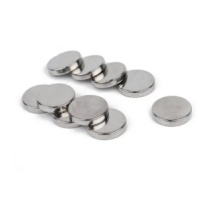
N52 magnets are a grade of Neodymium Iron Boron (NdFeB) magnets, recognized for their remarkable strength. As the highest-grade neodymium magnet, N52 offers one of the strongest magnetic fields available, making it widely used across various industries. From powering electric motors to playing a vital role in devices like magnetic resonance imaging (MRI) machines, and even in consumer electronics, N52 magnets are essential in many technological applications.
Their strength and compactness make N52 magnets invaluable in industries that require strong magnetic fields in a small space. They are commonly found in electric motors, speakers, magnetic separators, sensors, and actuators. However, with their incredible strength comes a unique set of challenges when transporting them, especially by air. The powerful magnetic fields generated by N52 magnets can interfere with sensitive electronic equipment onboard aircraft, particularly avionics, which is why proper handling and packaging are critical.
Air Shipping Regulations for Strong Magnets
Shipping strong magnets like N52 by air comes with strict regulations due to the potential hazards posed by their magnetic fields. Agencies like the International Air Transport Association (IATA) and the U.S. Department of Transportation (DOT) have established guidelines for the safe air transport of magnets to mitigate these risks. N52 magnets can cause significant disruptions if not handled appropriately, particularly when it comes to aircraft’s navigation and communication systems.
These guidelines outline the specific precautions and procedures required to safely ship these magnets by air. For example, N52 magnets are classified as dangerous goods under air shipping regulations, and therefore, certain requirements must be followed. These requirements include:
Proper Packaging: The magnets must be packaged in a way that prevents accidental activation of their magnetic field. This is usually achieved by encasing them in non-magnetic materials that prevent the magnetic field from spreading, thus avoiding interference with other objects or equipment.
Labeling: The package must clearly indicate that it contains a magnet, and its strength must be explicitly specified on the label. The label should comply with IATA's Dangerous Goods Regulations (DGR), identifying the magnetic material and providing any necessary hazard warnings.
Documentation: To comply with international regulations, appropriate documentation must be provided. This includes a Dangerous Goods Declaration and additional paperwork that may be required depending on the shipment's destination. Shipping paperwork must confirm that the magnets are within the acceptable limits for air transport, typically with a field strength not exceeding 0.5 gauss at a distance of 15 feet from the magnet.
2. Step-by-Step Guide to Shipping N52 Magnets by Air
Step 1: Check Shipping Regulations
Before shipping N52 magnets, it’s crucial to familiarize yourself with the specific regulations that apply to your shipment. You’ll need to:
Confirm that the magnets meet the necessary criteria for air shipping, such as the strength of the magnetic field (which should not exceed certain limits, typically 0.5 gauss at a distance of 15 feet from the magnet).
Review IATA’s Dangerous Goods Regulations (DGR) to ensure that your shipment meets all criteria for safe transport.
Step 2: Properly Package the Magnets
Correct packaging is essential to ensure that N52 magnets do not affect aircraft equipment or other shipments. The packaging should:
Encapsulate the Magnet: Use strong, non-magnetic materials to encapsulate the magnet, preventing the magnetic field from leaking.
Use Plastic or Foam Inserts: Ensure that the magnets are secured inside the packaging with plastic or foam inserts to avoid movement and minimize the risk of contact with other objects.
Shield the Magnetic Field: For stronger magnets like N52, use materials that can help contain or shield the magnetic field, such as steel or specific types of non-magnetic boxes designed to block the magnetic field.
Recommended Packaging Materials:
Step 3: Labeling and Documentation
To comply with air transport regulations, you must label your shipment clearly:
Magnet Label: This label should indicate that the package contains a magnet, with details about the magnetic field strength.
UN Numbers: If the magnets exceed the IATA limits for air transport, they may be classified as dangerous goods, requiring additional documentation, including a UN number and hazardous material declaration.
Weight and Handling Labels: Include labels to indicate the weight and proper handling instructions for the magnets, ensuring that the package is handled safely throughout the transportation process.
Step 4: Choose the Right Air Carrier
Different air carriers have varying policies for transporting magnets. Before booking your shipment, ensure that the carrier is experienced in handling shipments of magnetic materials and complies with the applicable regulations. Some carriers may require additional inspections or documentation before accepting the shipment.
Step 5: Confirm Compliance with Export Regulations
In some cases, exporting N52 magnets may require compliance with national export control regulations. If you are shipping internationally, make sure you verify the relevant export rules to ensure compliance.
3. Best Practices for Shipping N52 Magnets
Ensure Maximum Protection During Transit
In addition to proper packaging and labeling, ensure that your N52 magnets are fully protected during transit. The strongest magnets can cause damage to nearby objects, so it’s crucial to:
Monitor Temperature and Humidity Conditions
Though N52 magnets are relatively stable in a variety of environmental conditions, extreme temperature changes and high humidity can potentially affect their strength. Consider the environmental conditions during shipping and select the appropriate packaging or insulation for the shipment if required.
4. Troubleshooting Common Issues When Shipping N52 Magnets
Problem 1: Magnetism Interfering with Electronics
One of the most common challenges when shipping N52 magnets is the interference they can cause with sensitive electronics. To address this issue, ensure that the magnets are:
Problem 2: Improper Labeling and Documentation
Incorrect labeling or missing documentation can delay shipments or result in fines. Double-check that your package is labeled with the appropriate magnet warnings, and include all required documentation such as the Dangerous Goods Declaration and shipping papers.
5. Conclusion
Shipping N52 magnets by air requires careful planning and adherence to safety regulations to ensure that the magnets are transported safely and efficiently. Proper packaging, labeling, and documentation are crucial to ensure compliance with air transport regulations, as well as to prevent potential hazards to aircraft and crew. By following these steps and working with an experienced carrier, you can safely ship N52 magnets while maintaining the integrity of your shipment.
At Jiangxi Yueci Magnetic Material Technology Co., Ltd., we offer high-quality N52 magnets with a commitment to safety and reliability. Our expert team is here to provide you with advice on how to properly ship and handle N52 magnets for your specific needs. If you're looking for top-grade magnets or require assistance with shipping guidelines, feel free to reach out to us. We are here to ensure that your shipping process is as seamless and secure as possible.
FAQ
1. What is the maximum size for N52 magnets when shipping by air?
The maximum size for N52 magnets varies depending on the carrier and the country’s regulations. It is important to consult with your air carrier to confirm size restrictions and ensure compliance with IATA regulations.
2. Do I need to use a specific type of packaging for N52 magnets?
Yes, you need to use non-magnetic materials to encapsulate the N52 magnets and prevent the magnetic field from affecting the surroundings. Packaging should also include foam inserts for added protection.
3. Can I ship N52 magnets via express courier services?
Some express courier services may allow the shipping of N52 magnets with proper packaging, labeling, and documentation. Always confirm with the courier service to ensure they can handle magnetic shipments.
4. What happens if the magnetic field exceeds the shipping limits?
If the magnetic field exceeds the acceptable limits, the shipment may need to be classified as a hazardous material and require additional documentation and special handling, including specific carrier agreements.