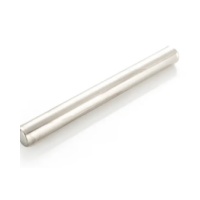
When it comes to NdFeB magnets (Neodymium Iron Boron), they are well-known for their strength, versatility, and wide range of industrial applications. These magnets are available in two primary forms: sintered and bonded. While both types of magnets offer similar magnetic properties, the differences between them in terms of manufacturing processes, performance, and applications can be significant. Understanding these distinctions can help businesses and engineers select the right type of magnet for their specific needs. At Jiangxi Yueci Magnetic Material Technology Co., Ltd., we specialize in producing high-quality NdFeB magnets, and in this article, we will explore the key differences between sintered and bonded magnets, their respective advantages, and the best use cases for each type.
What are Sintered NdFeB Magnets?
Sintered NdFeB magnets are made by compacting a mixture of Neodymium, Iron, and Boron powders, followed by a sintering process. In this process, the powder mixture is heated to a high temperature, causing the particles to bond together and form a solid magnet. The sintering process aligns the crystal structure of the magnet material, which results in a dense, high-performance magnet with exceptional properties. These magnets are known for their high energy density, high coercivity (resistance to demagnetization), and excellent temperature stability, which makes them ideal for applications where strong magnetic forces are essential.
Key Characteristics of Sintered Magnets:
High Magnetic Strength Sintered magnets are recognized for their extraordinary strength, producing a higher energy product (BHmax). This refers to the maximum energy that the magnet can store, which is essential for applications requiring powerful magnetic forces. Due to their strength, sintered NdFeB magnets are commonly used in motors, actuators, sensors, and power generation equipment. For example, electric vehicles and wind turbines often rely on these high-performance magnets to generate efficient energy.
Durability Sintered magnets have superior resistance to external factors like corrosion and temperature fluctuations. Their mechanical properties make them suitable for applications that demand long-lasting performance. This is especially important in harsh environments where magnets are exposed to extreme temperatures, moisture, and other challenging conditions. Their robust durability ensures that these magnets maintain their magnetic properties for an extended period, reducing the need for frequent replacements and minimizing maintenance costs.
Precision and Complexity The sintering process allows for the creation of magnets with complex shapes and fine tolerances, making them ideal for precision-driven applications. Sintered NdFeB magnets can be manufactured to fit specific requirements in high-precision devices such as hard drives, actuators, and sensors. The ability to produce intricate shapes ensures that these magnets meet the strict specifications needed for various industrial and commercial applications. The manufacturing process also allows the magnets to retain consistent magnetic properties throughout their design, which is essential for maintaining performance across the device or system in which they are used.
Brittleness One downside of sintered NdFeB magnets is that they tend to be more brittle than bonded magnets. While they are incredibly strong, they can also be fragile and prone to chipping or cracking when subjected to physical stress. As a result, they require careful handling during transportation and installation, especially in applications where the magnet will be exposed to mechanical shocks or vibrations. Protective coatings or encapsulations may be used to help mitigate this brittleness, especially in demanding applications like motors or aerospace equipment.
Higher Manufacturing Costs The production of sintered NdFeB magnets is more complex and energy-intensive compared to bonded magnets. The sintering process requires advanced equipment and more energy to achieve the required magnetic properties. As a result, sintered magnets tend to be more expensive to manufacture, which can drive up the overall cost of products that use these magnets. However, for applications where performance and durability are paramount, the cost of sintered magnets is justified by their superior characteristics.
What are Bonded NdFeB Magnets?
Bonded NdFeB magnets are made by mixing Neodymium, Iron, Boron, and other alloying elements into a powder. The powder is then bonded together using a polymer resin or another type of binder. The bonding process can be done through various methods such as injection molding, compression molding, or extrusion. Unlike sintered magnets, bonded magnets are not as dense and are generally more flexible. However, they offer significant advantages in specific applications.
Key Characteristics of Bonded Magnets:
Flexibility in Shape and Size One of the standout features of bonded magnets is their flexibility in shape and size. Unlike sintered magnets, which are often restricted to basic geometric shapes, bonded magnets can be molded into a wide variety of complex and intricate designs. This makes them particularly useful in industries where custom shapes are needed.
Improved Toughness Bonded NdFeB magnets are known for their improved toughness compared to sintered magnets. Due to the polymer binder used in their production, these magnets are more flexible and resistant to chipping or cracking. This makes them a better fit for applications where magnets are subjected to mechanical stress, vibrations, or environmental impacts.
Lower Cost The manufacturing process for bonded magnets is typically more cost-effective than sintered magnets. This is due to the simpler production methods, such as compression molding or injection molding, which require less energy and expensive equipment. Despite having a lower energy product (BHmax) compared to sintered magnets, bonded magnets still perform well in high-volume applications where strength requirements are moderate.
High Efficiency in Manufacturing Bonded magnets are also known for their high efficiency in manufacturing. Since they can be produced using automated processes, large quantities of magnets can be made quickly and at a relatively low cost. This is especially beneficial for industries that require mass production, such as electronics or automotive manufacturing, where economies of scale play a crucial role in maintaining cost-effectiveness.
Sintered vs. Bonded Magnets: Key Differences
Characteristic
Sintered NdFeB Magnets
Bonded NdFeB Magnets
Manufacturing Process
Powder is heated to a high temperature to form a solid magnet
Magnetic powder is bonded with a polymer binder
Magnetic Strength (BHmax)
Higher energy product, stronger magnets
Lower energy product, weaker magnets
Durability
Excellent temperature stability and corrosion resistance
Good but less durable than sintered magnets
Shape and Size Flexibility
Limited by the sintering process, complex shapes can be harder to achieve
Highly flexible, can be molded into complex shapes easily
Cost
Higher production cost due to advanced manufacturing methods
Lower production cost, good for high-volume production
Automotive parts, consumer electronics, magnetic assemblies
When to Use Sintered Magnets?
Sintered NdFeB magnets are best used in applications that require maximum magnetic strength and durability. These magnets are ideal for:
High-performance motors and actuators: Used in electric vehicles, robotics, and other machinery requiring strong magnetic fields.
Generators and wind turbines: Where high energy efficiency and strength are critical.
Magnetic resonance imaging (MRI): In medical applications where precise magnetic fields are necessary for accurate imaging.
Aerospace: In sensors and systems that need to operate in extreme environments.
When to Use Bonded Magnets?
Bonded NdFeB magnets are the best option when shape flexibility, ease of manufacturing, and cost-effectiveness are important factors. These magnets are ideal for:
Consumer electronics: In applications like hard drives, loudspeakers, and microphones where small, lightweight magnets are needed.
Automotive applications: For use in parts like sensors, switches, and other systems that require durable yet lightweight magnetic components.
Magnetic assemblies: Such as magnetic couplings, clutches, and separators, where custom shapes are crucial for functionality.
Why Choose Yueci for NdFeB Magnets?
At Jiangxi Yueci Magnetic Material Technology Co., Ltd., we pride ourselves on offering the highest quality NdFeB magnets, including both sintered and bonded varieties. Our rigorous quality control processes, combined with cutting-edge technology, ensure that every magnet we produce meets the highest standards for performance and reliability. Whether you need high-strength magnets for demanding applications or cost-effective solutions for mass-produced parts, we have the perfect magnet for your needs.
Conclusion
Understanding the differences between sintered and bonded NdFeB magnets is crucial for selecting the right type of magnet for your project. Both types of magnets offer unique advantages depending on the requirements of the application. While sintered magnets are ideal for high-performance and durability, bonded magnets offer flexibility, cost savings, and quick production for more versatile applications. At Yueci, we are committed to providing the best NdFeB magnets to meet the needs of our clients, ensuring that each magnet meets industry standards for quality and reliability.
What are the differences between sintered and bonded NdFeB magnets? Sintered magnets have a higher magnetic strength and better durability, while bonded magnets offer greater flexibility in shape and are more cost-effective for high-volume production.
Can bonded NdFeB magnets be used in high-performance applications? Bonded magnets are typically used in less demanding applications where shape flexibility and cost efficiency are more important than maximum magnetic strength.
How do you ensure the quality of NdFeB magnets? At Yueci, we use advanced testing methods to ensure the magnetic strength, durability, and dimensional accuracy of every magnet we produce.
What industries use NdFeB magnets? NdFeB magnets are used in a wide range of industries, including automotive, aerospace, electronics, and medical applications, where strong, reliable magnets are required.