Have you ever wondered why NdFeB magnets are the strongest commercially available magnets? Their incredible strength makes them essential in various applications, from electronics to automotive industries. However, handling these powerful magnets safely is crucial to prevent injuries and damage. In this post, you'll learn essential tips for safely handling and storing neodymium disc magnets, ensuring their longevity and your safety.
Understanding Neodymium Disc Magnets
Composition and Properties
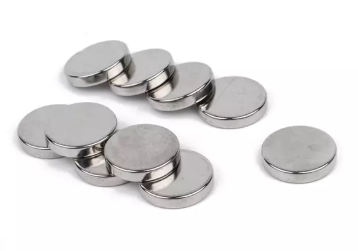
Neodymium disc magnets are made from an alloy of neodymium, iron, and boron, forming a compound called Nd₂Fe₁₄B. This structure gives them their exceptional magnetic strength, making them the strongest type of permanent magnet available commercially. The neodymium atoms contribute a large magnetic dipole moment due to their unpaired electrons, while the iron stabilizes the magnetic order at room temperature. Boron, although not magnetic, helps hold the structure together through strong chemical bonds.
These magnets come in two main types: sintered and bonded. Sintered magnets are dense and made by pressing and heating the powdered alloy, while bonded magnets are created by mixing the alloy powder with a polymer and molding it into shape. Both types offer high magnetic performance but differ in strength and manufacturing cost.
Physically, neodymium magnets are brittle and prone to chipping or breaking if handled roughly. They also corrode easily, so manufacturers often coat them with nickel, zinc, or other protective layers to prevent damage from moisture and air. Temperature affects their magnetic strength; they lose magnetism above about 80°C (176°F), although special alloys with added elements like dysprosium can withstand higher temperatures.
Common Applications
Because of their powerful magnetic force, neodymium disc magnets find use in many everyday and industrial applications. They are essential components in electronics like computer hard drives, where they control the movement of the read/write heads. Cordless power tools use them in motors for their compact size and efficiency.
In the automotive industry, these magnets power electric motors in hybrid and electric vehicles, contributing to better energy efficiency. Loudspeakers and headphones rely on them for producing clear sound by interacting with voice coils.
Other uses include magnetic fasteners, door locks, magnetic bearings, and certain medical devices like MRI machines. Their strength also makes them popular in magnetic toys and educational kits, although safety precautions are necessary due to their power.
Industries also use neodymium magnets to catch metal debris and protect machinery from damage, showing their versatility beyond just consumer products.
Safety Precautions for Handling Neodymium Disc Magnets
Potential Hazards
Neodymium disc magnets are incredibly strong, which means they can pose serious risks if not handled carefully. Their magnetic force can pinch fingers or skin, causing painful injuries or even broken bones. When two magnets snap together unexpectedly, they can chip or shatter, sending sharp fragments flying. These tiny shards can cause eye injuries or other wounds.
Swallowing multiple small magnets is especially dangerous. They can attract each other inside the digestive tract, trapping tissue between them and causing severe damage or death. This is a critical hazard for children, so keeping magnets away from kids is essential.
The strong magnetic fields also interfere with electronic devices. They can erase data on credit cards, damage hard drives, and disrupt pacemakers or other medical implants. Even watches and CRT monitors may malfunction near these magnets.
Protective Gear and Equipment
To stay safe, always wear protective gloves when handling neodymium disc magnets. Gloves help prevent pinching injuries and protect your hands from sharp edges if magnets chip. Safety goggles are also important to shield your eyes from flying debris in case a magnet breaks.
Using tools like plastic spacers or non-metallic holders can help keep magnets apart when not in use. Avoid wearing jewelry or metal objects near magnets, as these can be pulled suddenly and cause injury.
Work in a clean, uncluttered space to reduce the risk of magnets snapping onto metal objects or each other. Keep magnets in protective cases or wrapped in soft material when transporting or storing.
If working near sensitive electronics or medical devices, maintain a safe distance from the magnets. Inform coworkers about the presence of strong magnets and post warning signs in the area.
Proper Techniques for Handling Neodymium Disc Magnets
Safe Handling Practices
Handling neodymium disc magnets safely requires care and attention. These magnets are incredibly strong, so sudden attraction to metal surfaces or to each other can cause pinching injuries. To avoid this, always approach magnets slowly and deliberately. Never let two magnets snap together quickly—they can chip or shatter, sending sharp fragments flying.
Use both hands when handling larger magnets to maintain control. Keep fingers away from the gap between magnets or between a magnet and metal. Wearing thick gloves reduces the risk of pinching and protects skin from sharp edges if magnets break.
Avoid carrying multiple magnets loosely in pockets or bags. Instead, separate them with non-metallic spacers or store them individually wrapped to prevent accidental attraction. When placing magnets on a workbench, keep them apart by at least a few inches.
If magnets are strong enough, handle them one at a time to prevent sudden collisions. Use plastic or wooden tools to move magnets rather than metal tools, which can be attracted and cause injury. Always work in a clean, uncluttered area free of loose metal objects.
Guidelines for Use in Different Environments
Different environments call for specific handling guidelines. In industrial settings where large or powerful magnets are common, ensure all workers are trained in safe handling procedures. Use warning signs to alert personnel to magnetic hazards.
In medical environments, keep magnets away from pacemakers or other implanted devices to avoid interference. Maintain a safe distance and follow hospital protocols for magnet use.
At home or school, keep magnets out of reach of children. Small magnets pose swallowing hazards that can cause serious injury or death. Educate family members or students about the dangers and supervise use closely.
When using magnets near electronic devices, maintain a safe distance to prevent data loss or damage. This includes credit cards, hard drives, and monitors.
In laboratories, use appropriate equipment such as non-metallic holders and safety gear to handle magnets safely. Store magnets in shielded containers to reduce magnetic field exposure.
Tip: When working with neodymium disc magnets in any environment, always plan your handling steps carefully to avoid sudden magnet collisions and use protective gloves to prevent injuries.
Storage Solutions for Neodymium Disc Magnets
Optimal Storage Conditions
Storing neodymium disc magnets properly helps maintain their strength and safety. Keep them in a cool, dry place away from moisture and humidity. Moisture can cause corrosion, even on coated magnets, reducing their lifespan. Avoid temperatures above 80°C (176°F), as heat weakens their magnetic force and can cause permanent damage.
Store magnets away from electronic devices and magnetic media like credit cards or hard drives. Their strong magnetic fields can erase or disrupt these items. Also, place magnets far from pacemakers or medical implants to prevent interference.
To reduce accidental attraction, keep magnets separated by non-metallic materials such as plastic or wood. This prevents them from snapping together, which can chip or break them. Use individual compartments or padded containers to avoid direct contact.
Organizing and Labeling
Organizing magnets properly makes handling safer and more efficient. Use storage boxes with dividers or foam inserts to separate magnets by size, strength, or type. This reduces the risk of magnets clumping together unexpectedly.
Label each compartment clearly, indicating magnet grade, size, and maximum operating temperature. This helps users select the right magnet for their needs and prevents misuse. Include safety warnings on storage containers to remind users about hazards.
For businesses, maintain an inventory log to track magnet quantities and conditions over time. This supports quality control and timely replacement of damaged magnets.
Tip: Use non-metallic separators and clearly labeled, padded containers to store neodymium disc magnets safely and prevent accidental damage or injury.
Transportation of Neodymium Disc Magnets
Regulations and Guidelines
Transporting neodymium disc magnets requires strict adherence to safety regulations. These magnets are classified as hazardous materials in many countries due to their strong magnetic fields. They can interfere with aircraft navigation and communication systems if not properly contained.
International air transport regulations, such as those from the International Air Transport Association (IATA), set limits on the magnetic field strength allowed near aircraft. Neodymium magnets must be packaged to reduce their magnetic field outside the package to safe levels, typically below 0.00525 gauss at a distance of 2.1 meters. This prevents interference with avionics.
Road and sea transport also have guidelines to prevent magnets from attracting ferrous objects or causing injuries during transit. Regulations may require clear labeling indicating the magnetic hazard and instructions for safe handling.
Businesses should consult local and international regulations before shipping. Compliance ensures safety and avoids costly delays or fines.
Packaging Tips
Proper packaging minimizes risks during transportation. Use non-metallic, sturdy containers to prevent magnets from attracting metal objects or each other. Plastic or wooden boxes lined with foam or soft materials protect magnets from impact and chipping.
Separate individual magnets using spacers made of plastic or rubber to keep them apart. This prevents sudden snapping together, which can cause breakage or flying shards.
Secure the magnets firmly inside the container to prevent movement during transit. Movement increases the risk of collisions and damage.
Label packages clearly with warnings about magnetic contents and handling instructions. Include emergency contact information for handlers.
For larger shipments, consider using specialized magnetic shielding materials or containers designed to reduce stray magnetic fields.
Disposal and Recycling of Neodymium Disc Magnets
Environmental Considerations
Disposing of neodymium disc magnets requires care due to their rare-earth elements. These metals are valuable but can harm the environment if discarded improperly. Throwing magnets in regular trash risks releasing toxic materials into soil and water. This can cause pollution and harm wildlife.
Rare-earth mining itself has environmental impacts, such as habitat destruction and chemical waste. Recycling magnets helps reduce the need for new mining, conserving natural resources and lowering pollution. Proper disposal supports sustainability and protects ecosystems.
Magnets often contain coatings like nickel or zinc, which can be hazardous if not handled correctly. Avoid burning magnets, as this releases harmful fumes. Instead, follow local regulations for hazardous waste disposal.
Recycling Processes
Recycling neodymium magnets involves recovering rare-earth metals for reuse. Several methods exist:
Direct Reuse: Old or scrap magnets are crushed into powder via hydrogen decrepitation. This powder can be re-sintered to create new magnets. This process saves energy compared to mining.
Hydrometallurgical Methods: Magnets dissolve in acids, separating rare-earth oxides through solvent extraction or precipitation. This yields high-purity materials but uses many chemicals.
Pyrometallurgical Techniques: High-temperature smelting recovers rare-earth alloys. It’s robust but energy-intensive.
Selective Extraction-Evaporation-Electrolysis (SEEE): A newer process extracting rare-earths into solvents, concentrating them by evaporation, then recovering metals by electrolysis. This reduces chemical use and produces alloys ready for magnet making.
Pilot projects worldwide are scaling these technologies. For example, some U.S. companies plan large recycling plants to process hundreds of tons annually. Europe and Japan also advance recycling efforts through research partnerships.
Recycling not only recovers valuable materials but reduces waste and environmental impact. It supports a circular economy by turning old magnets into new ones.
Conclusion
Neodymium disc magnets are incredibly strong yet brittle, requiring careful handling to prevent injury and damage. Store them in cool, dry places, separated by non-metallic materials to avoid accidental attraction. Safe practices include using protective gear and maintaining distance from electronic devices. By following these guidelines, users ensure safety and longevity of the magnets. Jiangxi Yueci Magnetic Material Technology Co., Ltd. offers high-quality neodymium disc magnets, emphasizing safety and durability. Their products provide exceptional value, catering to diverse industrial and consumer needs.
FAQ
Q: What is an NdFeB Magnet made of?
A: An NdFeB Magnet is composed of an alloy of neodymium, iron, and boron, forming a compound called Nd₂Fe₁₄B, known for its exceptional magnetic strength.
Q: How should I handle NdFeB Magnets safely?
A: Handle NdFeB Magnets with care, using protective gloves to prevent pinching injuries and safety goggles to shield eyes from flying debris if magnets chip or shatter.
Q: Why are NdFeB Magnets popular in industries?
A: NdFeB Magnets are favored for their powerful magnetic force, making them ideal for electronics, automotive motors, loudspeakers, and more, enhancing efficiency and performance.