Ever wondered how tiny magnets power big innovations? Neodymium disc magnets, also known as NdFeB magnets, are revolutionizing technology with their immense strength. These small yet powerful magnets are pivotal in modern advancements. In this post, you'll learn about their composition, properties, and diverse applications, from industrial uses to consumer electronics and beyond.
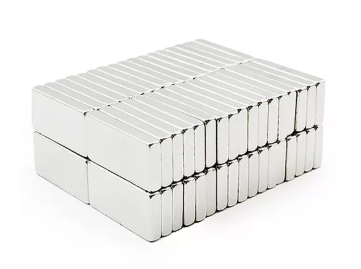
Understanding Neodymium Disc Magnets
Composition and Structure
Neodymium disc magnets are made from an alloy primarily composed of neodymium, iron, and boron. This combination forms a specific crystal structure known as Nd2Fe14B, which is tetragonal in shape. The unique arrangement of atoms in this structure gives the magnet its powerful magnetic properties. During manufacturing, tiny grains of this alloy are aligned in a strong magnetic field, ensuring the magnetic axes of the grains point in the same direction. This alignment is key to the magnet's strength.
The boron in the alloy doesn't directly contribute to magnetism but plays a crucial role by bonding strongly with neodymium and iron atoms. This bonding improves the magnet's overall cohesion and durability. The neodymium atoms themselves have several unpaired electrons, which helps create a strong magnetic field when these electrons' spins align.
Properties and Characteristics
Neodymium magnets are known for their exceptional strength compared to other types of permanent magnets. They have a high remanent magnetization, meaning they retain a strong magnetic field even after the external magnetizing force is removed. Their coercivity, or resistance to demagnetization, is also very high due to the crystal structure's resistance to changes in magnetization direction.
These magnets can produce magnetic energy densities approximately 18 times greater than traditional ferrite magnets by volume. This makes them ideal for applications requiring compact magnets with strong magnetic fields.
However, neodymium magnets have some limitations. They tend to have a lower Curie temperature, the point at which they lose their magnetic properties, compared to other magnets like samarium-cobalt. Typically, this temperature ranges between 310°C and 400°C, so they may lose strength if exposed to high heat. To improve heat resistance, manufacturers sometimes add elements like dysprosium or terbium.
Another important characteristic is their susceptibility to corrosion. Without protective coatings, neodymium magnets can corrode, especially along grain boundaries. To prevent this, magnets are often coated with nickel, zinc, or polymer layers.
Finally, neodymium magnets are available in different grades, which indicate their maximum energy product—a measure of magnetic strength. Common grades range from N28 to N55, with higher numbers representing stronger magnets.
Industrial Applications
Neodymium disc magnets play a crucial role in many industrial applications due to their exceptional magnetic strength and compact size. Their ability to generate strong magnetic fields in small volumes makes them ideal for use in electric motors, wind turbines, and hard disk drives.
Use in Electric Motors
Electric motors rely heavily on powerful magnets to convert electrical energy into mechanical motion. Neodymium magnets are often the magnet of choice because they provide strong magnetic flux in a small package. This means motors can be smaller, lighter, and more efficient.
Cordless power tools, electric vehicles, and industrial machinery all benefit from neodymium magnets. For example, hybrid and electric cars use these magnets in their drive motors to achieve high torque and efficiency. Toyota Prius motors, for instance, contain about one kilogram of neodymium magnets. Their strength allows for better performance while reducing the motor's size and weight.
Role in Wind Turbines
Wind turbines convert wind energy into electricity, and some models use permanent magnet synchronous generators. Neodymium magnets provide the strong magnetic fields needed for these generators. Their use improves efficiency and reduces maintenance by eliminating the need for brushes or slip rings found in traditional generators.
While not all wind turbines use permanent magnets, those that do rely on neodymium magnets to boost power output and reliability. The magnets help make renewable energy production more viable and sustainable by enhancing turbine performance.
Application in Hard Disk Drives
Hard disk drives (HDDs) contain tiny but powerful neodymium magnets. These magnets control the actuator arms that position read/write heads over the spinning disks. The precise and rapid movement enabled by these magnets ensures fast data access and reliable storage.
Neodymium magnets replaced older magnet types in HDDs due to their superior strength and size advantages. This change allowed manufacturers to produce smaller, higher-capacity drives, supporting the growth of computing and data storage technology.
Consumer Electronics
Usage in Mobile Phones
Neodymium disc magnets are essential components in many mobile phones. They help power small speakers, microphones, and vibration motors. The magnets’ strong magnetic field allows these parts to be compact yet powerful, fitting into the slim designs of modern smartphones. For example, the tiny speakers inside a phone use neodymium magnets to convert electrical signals into sound waves. This results in clear, loud audio despite the limited space.
Additionally, neodymium magnets are used in the phone’s vibration motor. When activated, the magnet interacts with a coil to create vibrations, providing tactile feedback for calls, messages, or alerts. Their strength ensures the vibrations are noticeable without consuming too much battery power.
Integration in Headphones and Speakers
Headphones and speakers rely heavily on neodymium disc magnets to deliver high-quality sound. The magnets create the magnetic field needed for the diaphragm to move and produce sound waves. Thanks to their strength, neodymium magnets allow for smaller, lighter headphones that still offer excellent audio performance.
In headphones, these magnets help generate rich bass and clear treble. Their compact size means headphones can be designed for comfort without sacrificing sound quality. Similarly, portable Bluetooth speakers often use neodymium magnets because they provide strong sound output in a small form factor.
Many high-end audio devices prefer neodymium magnets over traditional ferrite magnets. They improve sensitivity and reduce distortion, enhancing the listening experience. This is why you’ll find neodymium magnets in earbuds, over-ear headphones, and home audio speakers alike.
Medical and Scientific Uses
Application in MRI Machines
Neodymium disc magnets play a vital role in some magnetic resonance imaging (MRI) machines. Unlike traditional MRI systems that use superconducting magnets cooled by liquid helium, certain open MRI scanners employ powerful permanent magnets, often made from neodymium alloys. These magnets create a stable and strong magnetic field necessary to generate detailed images of the body's internal structures.
The use of neodymium magnets in MRI machines offers advantages such as lower operating costs and reduced maintenance since they don't require cryogenic cooling. Their strong magnetic fields help improve image clarity while allowing more patient comfort due to the open design. This technology is increasingly important in medical diagnostics, offering a non-invasive way to detect diseases and injuries.
Use in Medical Devices
Neodymium magnets are also integrated into various medical devices beyond imaging. For example, they are used in surgically implanted devices designed to treat gastroesophageal reflux disease (GERD). A band of small neodymium magnets forms a ring around the lower esophageal sphincter. This magnetic band helps keep the sphincter closed to prevent acid reflux but allows it to open during swallowing.
In addition, neodymium magnets find use in magnetic therapy devices, which some practitioners use for pain relief and healing, although scientific consensus on their effectiveness varies. Researchers also explore experimental applications such as magnetic implants in fingertips to provide sensory perception of magnetic fields.
The precision and strength of neodymium magnets enable these medical devices to function reliably in the human body. Their compact size allows for minimally invasive implantation, improving patient recovery and comfort.
Innovative and Novel Applications
Magnetic Jewelry and Toys
Neodymium disc magnets have sparked creativity in jewelry and toy designs. Their strong magnetic force lets designers create magnetic clasps for bracelets, necklaces, and rings that snap together securely yet open easily. This makes wearing and removing jewelry simpler and more convenient.
In toys, these magnets enable interactive building sets and puzzles that snap together firmly without glue or fasteners. Magnetic building blocks, spheres, and cubes use neodymium magnets to create endless shapes and structures. Their power allows small magnets to hold large assemblies, making play both fun and educational.
However, safety is crucial. Small, powerful magnets can be dangerous if swallowed, especially by children. Many countries regulate or ban certain magnetic toys to prevent injuries. Manufacturers often include warnings and design toys to minimize risks.
Use in Magnetic Fasteners and Closures
Neodymium disc magnets also revolutionize fasteners and closures in various products. Their compact size and high strength make them ideal for magnetic snaps on bags, purses, and clothing. These magnetic closures replace traditional buttons, zippers, or velcro, offering quick, silent, and durable fastening.
In furniture and cabinetry, neodymium magnets serve as invisible catches that keep doors and drawers closed firmly. They provide a clean look without bulky hardware. Similarly, in packaging, magnetic closures add a premium feel to boxes and cases, improving user experience.
The magnets' reliability under repeated use makes them perfect for these applications. Their resistance to demagnetization ensures long-lasting performance, even in everyday wear and tear.
Safety and Handling Precautions
Potential Hazards and Risks
Neodymium disc magnets are incredibly strong, which can cause serious safety risks if not handled properly. Their magnetic force can pinch skin or fingers hard enough to break bones. When two magnets snap together quickly, they can chip or shatter, sending sharp fragments flying. These flying pieces can cause eye injuries or cuts.
Small neodymium magnets pose a severe ingestion hazard, especially for children. Swallowing multiple magnets can trap sections of the digestive tract between them. This can cause tears, blockages, or even life-threatening damage requiring surgery. Because of this, many countries regulate or ban small neodymium magnet toys.
The strong magnetic fields also interfere with electronic devices. They can erase data on credit cards or magnetic storage media and damage watches or CRT monitors. In industrial settings, magnets can disrupt sensitive equipment or cause unexpected mechanical hazards if attracted to metal parts.
Safe Usage Guidelines
Handling neodymium magnets requires caution and respect for their strength. Always keep magnets away from children and pets. Store magnets separately, using plastic or wooden containers to prevent them from snapping together. Avoid placing magnets near electronics or magnetic media.
When working with large magnets, wear protective gloves and eye protection to avoid injuries from pinching or flying chips. Use non-metallic tools to separate stuck magnets carefully. Never try to break or grind magnets, as this can cause shattering.
If you use magnets in devices or assemblies, ensure proper shielding and secure mounting to prevent accidental movement or detachment. Label magnets clearly to warn others about their strength. Follow manufacturer guidelines for temperature limits and coatings to avoid corrosion or weakening.
In case of ingestion, seek immediate medical attention. Do not try to pass magnets naturally, as this can cause internal damage.
Tip: Train staff and users on neodymium magnet hazards and safe handling practices to prevent injuries and equipment damage in industrial or consumer applications.
Future Trends and Developments
Advancements in Magnet Technology
Neodymium disc magnets continue evolving through advances in materials science and manufacturing. Researchers are developing new alloys that boost temperature resistance and magnetic strength. Adding elements like dysprosium or terbium improves heat tolerance, allowing magnets to operate reliably in hotter environments like electric vehicle motors or wind turbines.
Innovations in manufacturing techniques, such as organic/inorganic hybrid sintering, enable shaping magnets into complex forms while controlling magnetic field orientation. This precision enhances motor efficiency by concentrating magnetic fields where needed. Bonded magnet technology also advances, offering flexible shapes and improved corrosion resistance.
Recycling technology is another critical area. Efficient recovery of rare-earth elements from used magnets reduces reliance on mining. New processes like selective extraction and molten-salt electrolysis promise to recover materials with less environmental impact and cost. Pilot recycling plants in the U.S., Europe, and Japan are already testing these methods, aiming for large-scale adoption soon.
Impact on Renewable Energy and Sustainability
Neodymium magnets play a vital role in renewable energy technologies. Permanent magnet generators in wind turbines rely on these magnets for high efficiency and low maintenance. As the world shifts toward green energy, demand for neodymium magnets in this sector is expected to grow.
Improved magnet designs will boost turbine performance, making wind power more cost-effective and reliable. Electric vehicles also depend heavily on neodymium magnets in their motors. Advances that reduce rare-earth content or improve magnet durability help lower costs and environmental footprint.
Sustainability efforts focus on reducing waste and securing supply chains. Recycling magnets from old electronics and vehicles recovers valuable rare-earth metals, easing pressure on mining. Diversifying production outside dominant regions also strengthens supply security.
In summary, future developments in neodymium magnet technology will enhance performance and sustainability. These magnets will remain crucial for clean energy solutions, supporting global efforts against climate change.
Conclusion
Neodymium disc magnets are integral in industries, consumer electronics, and medical fields due to their exceptional magnetic strength and compact size. Future advancements promise enhanced heat resistance and sustainability, ensuring continued relevance in renewable energy and technology sectors. These magnets' evolving capabilities will drive innovation and efficiency across various applications. Jiangxi Yueci Magnetic Material Technology Co., Ltd. offers high-quality neodymium disc magnets, providing significant value with cutting-edge technology and sustainability-focused solutions, making them a top choice for diverse industrial and consumer needs.
FAQ
Q: What is an NdFeB Magnet?
A: An NdFeB Magnet, or neodymium disc magnet, is a powerful magnet made from an alloy of neodymium, iron, and boron.
Q: How are NdFeB Magnets used in electric motors?
A: NdFeB Magnets provide strong magnetic flux, making electric motors smaller, lighter, and more efficient.
Q: Why are NdFeB Magnets preferred in consumer electronics?
A: NdFeB Magnets offer a superior strength-to-size ratio, enabling compact, high-performance devices like headphones and smartphones.
Q: What are the benefits of using NdFeB Magnets in wind turbines?
A: NdFeB Magnets improve efficiency and reduce maintenance, enhancing turbine performance and sustainability.