Magnets are essential components in many industries, from electronics to automotive and even renewable energy. When choosing the right magnet for a specific application, there are many factors to consider, including magnetic strength, size, and shape. Among the different types of magnets available, NdFeB magnets (Neodymium-Iron-Boron) stand out due to their high energy density and magnetic power. These magnets come in various shapes, including discs, blocks, and rings. Each shape serves a different purpose and offers unique benefits depending on the application.
If you're in the process of selecting the right NdFeB magnet shape for your project, it can be challenging to know which one to choose. In this article, we’ll discuss the differences between disc, block, and ring magnets, and explain how to choose the best shape for your needs. By the end, you’ll have a clearer understanding of which shape is most suitable for your application, whether it’s for an industrial machine, an electric motor, or a small electronic device.
Let’s dive in and explore how to choose the right magnet shape to optimize your designs and achieve the best performance.
1. Disc Magnets: A Compact Powerhouse
What are Disc Magnets?
Disc magnets are one of the most widely used shapes for NdFeB magnets, and their design is simple yet powerful. These magnets are flat and circular with a uniform thickness throughout their diameter, giving them a sleek, compact form. Disc magnets can come in a range of sizes, from tiny ones that are used in delicate applications like jewelry making, to larger ones used in heavy-duty industrial machinery. The size and shape of a disc magnet make it particularly suitable for a variety of applications that require a concentrated, strong magnetic field in a compact area.
The key advantage of disc magnets lies in their ability to generate a stable and uniform magnetic field across their surface. This makes them ideal for applications where consistency and strength are crucial, and where space is limited. The simplicity of their design, coupled with the power of NdFeB magnets, allows disc magnets to deliver high performance while remaining compact and easy to integrate into various devices and systems.
When to Use Disc Magnets
Disc magnets are ideal for applications where a compact and powerful magnetic field is required in a small area. Due to their flat shape, disc magnets are often used in devices that require a uniform magnetic field across a small area.
Some common applications for disc magnets include:
Sensors: Disc magnets are commonly used in proximity sensors, motion sensors, and magnetic field sensors. These magnets are often incorporated into devices that detect the movement or position of objects. Their compact size and strong magnetic field make them ideal for sensors in automotive systems, home appliances, and industrial equipment.
Motors: In many motors, both small and large, disc magnets are used in the rotor or stator. Their high magnetic strength is essential for generating the necessary power to drive motors in various applications. The ability of disc magnets to maintain consistent magnetic field strength contributes to the efficiency and reliability of electric motors, especially in high-performance applications like electric vehicles and industrial machines.
Magnetic Separators: In industrial applications, disc magnets are often used in magnetic separators, where they play a crucial role in separating ferrous materials from non-ferrous substances. The compact nature of these magnets allows them to be integrated into machinery that requires a focused magnetic field to attract and separate specific materials, such as metal scrap, ores, or contaminants in food processing.
Magnetic Couplings: Disc magnets are also used in magnetic couplings, which are devices that transmit torque without physical contact. These couplings use the magnetic field generated by the disc magnets to transfer force between two rotating shafts. This is particularly useful in industries where contamination from lubrication fluids needs to be avoided or in applications requiring a non-contact transmission system.
Benefits of Disc Magnets:
Feature | Benefit |
Compact Size | Ideal for space-constrained applications. |
Uniform Field | Provides a consistent magnetic field across its surface. |
High Magnetic Power | Even small NdFeB disc magnets can offer impressive strength. |
2. Block Magnets: Versatile and High-Performance
What are Block Magnets?
Block magnets are rectangular in shape and can come in a wide range of sizes and strengths. They have a simple, solid shape that allows for versatile use across a variety of applications. Block magnets can be cut and shaped to suit specific needs, making them a versatile choice for manufacturers and designers.
When to Use Block Magnets
Block magnets are perfect for applications that require a larger surface area to create a more powerful magnetic field. They are also ideal for applications where the magnet needs to be fixed securely, as they can be easily mounted or embedded into other materials.
Some common uses of block magnets include:
Magnetic Assemblies: Block magnets are often used in assemblies where multiple magnets are needed for efficient operation, such as in motors and generators.
Magnetic Tools: They are often used in magnetic tools such as lifting magnets, clamps, and chucks.
Magnetic Holding Systems: Used to hold objects in place for industrial and scientific applications.
Benefits of Block Magnets:
Feature | Benefit |
High Magnetic Strength | Provides a larger magnetic field, suitable for industrial use. |
Easy Mounting | Can be easily fixed into machinery or systems. |
Versatile Use | Suitable for a wide range of applications, from automotive to industrial. |
3. Ring Magnets: Efficiency in Rotating Applications
What are Ring Magnets?
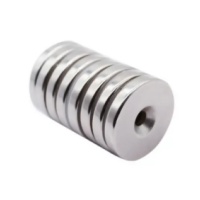
Ring magnets are doughnut-shaped magnets with a hole in the center. The central hole allows them to be used in rotating applications, where a shaft or axle can pass through the center of the magnet. These magnets can be customized in size and strength to meet the specific requirements of the application.
When to Use Ring Magnets
Ring magnets are often used in rotational applications, such as in electric motors, magnetic bearings, and other devices that require a magnet to rotate with a shaft. The unique shape of the ring magnet allows for a more uniform distribution of the magnetic field in circular motion, making them ideal for rotational machinery.
Some common applications for ring magnets include:
Motors and Generators: Used in the rotor or stator of motors and generators, where rotation is key.
Magnetic Bearings: Used to levitate rotating objects and reduce friction in high-speed machinery.
Magnetic Couplings: Used in fluid pumps and other machinery where magnetic power is needed to transfer force without direct contact.
Benefits of Ring Magnets:
Feature | Benefit |
Rotational Applications | Ideal for use in motors, generators, and rotating machinery. |
Stable Magnetic Field | Provides a consistent magnetic field in rotating systems. |
Versatile Design | Customizable sizes and strengths make them adaptable for different uses. |
4. How to Choose the Right Magnet Shape
Choosing the right magnet shape depends on the specific needs of your application. Here are some guidelines to help you decide:
1. Consider Your Application
Disc magnets are best for small, compact devices or where space is limited.
Block magnets are ideal for general use, especially where large surface areas are needed.
Ring magnets are essential for applications involving rotation or moving parts.
2. Magnetic Power and Size
Larger magnets generally offer more powerful magnetic fields. Block magnets and ring magnets are often chosen when higher power and larger surface areas are needed.
3. Durability and Coating
Consider the environment in which the magnets will be used. Some environments may require coated magnets for extra durability, especially in harsh conditions like high temperatures or exposure to chemicals.
Conclusion
Choosing the right shape for your NdFeB magnets—whether disc, block, or ring—is crucial for ensuring that your application performs efficiently. Each shape has its unique benefits, and understanding which one aligns best with your needs will optimize performance and help you achieve the best results. Whether you're working on motors, sensors, or magnetic assemblies, selecting the right magnet shape is a key factor in product success.
At Jiangxi Yueci Magnetic Material Technology Co., Ltd., we specialize in providing high-quality NdFeB magnets in a variety of shapes and sizes to suit your specific requirements. Our expert team is ready to assist you with the right magnet solutions for your projects. Contact us today to learn more about how we can help you with your magnet needs.
FAQ Section
1. What is an NdFeB magnet?
NdFeB magnets are high-performance rare earth magnets made from a combination of neodymium, iron, and boron. They are known for their strong magnetic fields and are commonly used in motors, sensors, and other industrial applications.
2. How do I know which magnet shape to choose?
The shape you choose depends on your application. Disc magnets are ideal for small, compact spaces, block magnets for general use, and ring magnets for rotational applications.
3. Are NdFeB magnets more powerful than regular magnets?
Yes, NdFeB magnets are one of the strongest types of magnets available, making them suitable for applications that require high magnetic strength in a small space.
4. Can I customize the size of NdFeB magnets?
Yes, NdFeB magnets come in various sizes and shapes, and they can often be customized to meet the specific needs of your application.