Handling Neodymium magnets, especially NdFeB magnets, presents a unique challenge due to their immense magnetic strength. While these magnets, including the powerful N52 magnets, are indispensable in many high-performance applications, their sheer force can make separating them quite difficult and, at times, dangerous. When Neodymium magnets attract each other with tremendous force, users risk injury from pinched fingers, and the magnets themselves are at risk of damage. In this article, we will explain why Neodymium magnets can be so hard to separate and provide a detailed guide on safe methods for doing so. We will also cover the best practices, tools, and safety precautions to protect both users and magnets during the separation process.
Why Neodymium Magnets Stick So Hard
High Magnetic Force Explained
Neodymium magnets, particularly NdFeB magnets, are among the strongest permanent magnets available today. The magnetic force of these magnets comes from the use of rare-earth elements, particularly neodymium, iron, and boron. The combination of these elements results in a magnet that can generate an extremely strong magnetic field. For reference, N52 magnets can generate up to 52 MGOe (Mega Gauss Oersteds), which is significantly higher than that of traditional ferrite or ceramic magnets.
This intense magnetic force is what makes Neodymium magnets so effective in applications requiring strong, reliable magnetic fields, such as motors, sensors, and various consumer electronics. However, it also makes them extremely challenging to separate when they come into contact with each other. The attractive force between two Neodymium magnets can cause them to snap together with significant velocity and force, making manual separation both difficult and risky.
The strength of Neodymium magnets is one of the reasons they are so commonly used in industries ranging from automotive to renewable energy. Their high magnetic strength allows them to perform well in small spaces, where larger, less powerful magnets wouldn’t suffice. However, this same strength poses a hazard when it comes to physically separating them.
Risks of Pinched Fingers & Hardware Damage
The most immediate risk when handling Neodymium magnets is the potential for pinched fingers. When magnets are forced together, they can snap with such force that they can easily pinch or crush a person's fingers, causing injury. This is especially true for large magnets like N52 magnets, which can exert several times their weight in force.
In addition to personal injury, the powerful magnetic attraction can cause damage to nearby equipment, tools, or surfaces. If Neodymium magnets are placed too close to sensitive hardware, the magnetic field can interfere with or even damage the electronics, leading to costly repairs or replacements. Furthermore, improperly separating these magnets can cause the magnets themselves to crack or break, which permanently diminishes their strength and usability.
It is essential to approach magnet separation with caution to prevent these risks. Proper tools and techniques can help mitigate the dangers associated with separating Neodymium magnets, ensuring that both users and equipment remain safe.
Safe Separation Methods
Slide & Wedge Techniques
One of the safest and most effective methods to separate Neodymium magnets is using the slide separation technique. This method involves gently sliding the magnets apart, applying a controlled force along their edges. Sliding the magnets apart allows users to separate them without causing a sudden shock or snap that can occur when pulling them directly. This technique works well for medium-strength NdFeB magnets but can also be effective for smaller N52 magnets when done carefully.
For stronger magnets, a wedge tool can be used. The wedge is gently inserted between the magnets, gradually prying them apart with minimal force. This technique is particularly useful for high-strength magnets, such as N52, because it allows users to separate the magnets slowly, minimizing the risk of injury and damage.
The wedge technique also helps avoid unnecessary force, which can cause the magnets to crack or chip. By controlling the separation process, users can avoid putting stress on the magnets and ensure their longevity.
Use Spacers & Protective Tools
In addition to using the sliding separation and wedge techniques, spacers and protective tools are critical for safely separating Neodymium magnets. Spacers are small, non-magnetic objects that can be inserted between magnets to keep them from coming into direct contact with each other. These spacers help reduce the strong magnetic pull between the magnets, making it easier to separate them safely.
For industrial use, there are specialized protective tools designed for handling Neodymium magnets, such as magnet lifters, magnetic grippers, and lifting handles. These tools are particularly useful when working with large, heavy magnets that cannot be safely separated by hand. The tools allow users to safely grip the magnets and move them apart without coming into direct contact with the magnet’s strong magnetic field.
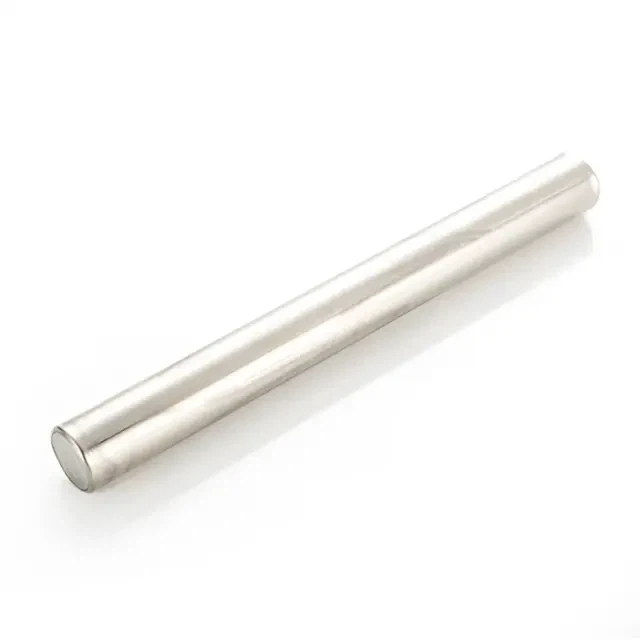
Table: Separation Techniques & Uses
Method | Best For | Safety Level |
Sliding separation | Medium magnets | High |
Wedge tools | Strong magnets | Very high |
Levering with tool | High force | Moderate |
This table compares the different separation techniques and their suitability for various types of Neodymium magnets. The sliding separation method works well for medium-strength magnets, while the wedge tool is ideal for strong magnets. The levering method should be used with caution as it requires applying more force, which can lead to accidents if not done correctly.
Tools & Protective Gear
Gloves, Spacers, Separators
To ensure safety when handling Neodymium magnets, it's essential to use the proper protective gear. Gloves are a must to protect your hands from pinching or cuts. Thick rubber gloves or leather gloves provide protection while offering a good grip on the magnets. Choose gloves that are durable and can withstand the strong pull of the magnets.
Spacers and separators are essential tools for safely handling NdFeB magnets. These tools ensure that the magnets are not exposed to excessive magnetic force during separation, reducing the risk of injury or damage to the magnets.
Best Practices for Workshops & Factories
In professional environments, such as workshops or factories, Standard Operating Procedures (SOPs) for magnet handling should be in place. These procedures typically include wearing gloves, using designated tools for magnet separation, and ensuring that workers are trained in proper safety protocols. Additionally, magnets should be stored securely in compartments to prevent accidental attraction when not in use.
Industrial vs DIY Safety Considerations
Workplace SOPs
In industrial settings where Neodymium magnets are frequently used, SOPs should outline the best practices for handling magnets to ensure that they are separated safely. This includes using proper equipment, training workers, and monitoring the working environment for risks. The importance of these procedures cannot be overstated, as improper handling in an industrial setting can lead to injuries or equipment damage, which could result in significant financial losses.
Consumer Handling Guidance
For DIY projects, consumers need clear instructions on how to handle Neodymium magnets safely. Consumers should be advised to use proper tools such as spacers or lever tools and be warned of the dangers of handling N52 magnets or any high-strength NdFeB magnets without adequate protection. By educating the public on the potential risks and providing guidance on safe handling practices, many of the dangers associated with Neodymium magnets can be avoided.
Conclusion
In conclusion, while Neodymium magnets offer incredible magnetic strength and are indispensable in many applications, they pose significant safety risks when separated improperly. By using the right techniques, tools, and protective gear, you can safely separate NdFeB magnets and minimize the risk of injury and damage. Whether you're working with N52 magnets in an industrial setting or handling smaller magnets in a DIY project, following the recommended safety practices is crucial to ensuring that these powerful magnets remain both safe to use and effective in their applications.
For more information on how to safely handle and separate Neodymium magnets, or to explore our range of NdFeB magnets, Contact Us today. At Yueci Magnetic, we offer high-quality Neodymium magnets designed for a variety of industrial and technological applications.
FAQ
Q1: What is the safest method for separating Neodymium magnets?
A1: The safest method involves using the sliding separation technique for medium-strength magnets and wedge tools for strong magnets like N52. This prevents direct contact and minimizes injury risk.
Q2: Why are NdFeB magnets so hard to separate?
A2: NdFeB magnets are incredibly strong and can generate a powerful magnetic force that makes them difficult to separate manually. The force between magnets is immense, leading to risks of injury if not handled correctly.
Q3: How can I prevent injury when separating Neodymium magnets?
A3: Use protective gear like gloves, and employ proper separation techniques, such as using spacers and protective tools like magnet lifters to avoid pinched fingers and equipment damage.
Q4: What are the best storage practices for Neodymium magnets?
A4: Neodymium magnets should be stored in a secure, dry location, away from metal objects and sources of high temperature. Magnets should also be kept in compartments to prevent accidental attraction or damage.