NdFeB magnets, especially Neodymium ring magnets, are integral to high-quality audio applications. These magnets are known for their strength and reliability, making them essential in the production of speakers, microphones, and other audio equipment. When used in audio systems, NdFeB ring magnets help to create precise sound output by providing strong and stable magnetic fields. In this article, we’ll discuss the importance of NdFeB ring magnets in audio applications, particularly focusing on the differences between axial and diametric magnetization.
Understanding how these two magnetization orientations impact performance is essential for audio engineers and designers who need to optimize the performance of their systems. We will explore how each orientation works, the benefits and drawbacks of each, and when to use each type of magnet for optimal sound fidelity. By the end of this article, you will have a better understanding of how to select the right NdFeB magnet for your audio system and enhance your overall audio experience.
What Are Ring Magnets?
Definition & Shapes
Ring magnets are circular magnets that feature a hole in the center, making them look like a ring or a donut. They are often used in applications where the magnetic field needs to be concentrated around a central axis, and their unique shape allows for more precise placement in certain mechanical and electronic devices. NdFeB ring magnets, or Neodymium ring magnets, are made from Neodymium Iron Boron (NdFeB) and are known for their high magnetic strength, making them the preferred choice in audio systems and other high-performance applications.
The shape and magnetization of NdFeB ring magnets are essential for their performance. The ring shape allows them to be mounted within a system where they can exert a strong, focused magnetic field without occupying much space. This is particularly important in applications like speakers and microphones, where space is limited, but strong magnetic fields are required.
Why Neodymium Magnetic Strength Matters in Audio
Neodymium magnets, including NdFeB ring magnets, offer superior magnetic strength compared to other permanent magnets, such as ceramic or ferrite magnets. The high magnetic strength of Neodymium magnets allows them to generate stronger magnetic fields in a smaller size. In audio systems, this strength translates into better sound quality, as the magnet’s ability to produce a powerful, stable magnetic field directly influences the movement of the speaker diaphragm.
This movement is essential for producing sound vibrations, and stronger magnets lead to more accurate control of the diaphragm’s motion, resulting in clearer, more detailed sound reproduction. NdFeB magnets also have a higher resistance to demagnetization, ensuring that the magnet remains strong throughout the lifespan of the audio equipment.
Axial Magnetization Explained
Field Direction & Typical Uses in Speakers
Axial magnetization refers to a magnetization orientation where the magnetic poles of the magnet are aligned along the central axis (the hole) of the magnet. In simpler terms, the magnetic field lines run parallel to the axis of the magnet. This orientation is the most commonly used in speaker systems, as it provides a uniform and concentrated magnetic field along the axis of the voice coil, which is essential for efficient sound production.
In speaker drivers, NdFeB ring magnets with axial magnetization create a magnetic field that interacts with the voice coil, causing it to move in and out. This motion drives the speaker cone, producing sound waves. The axial orientation is especially advantageous in standard drivers, where a strong, evenly distributed magnetic field is needed for consistent performance.
Performance Benefits
Axial magnetization is well-suited for general audio applications, especially when uniform and reliable performance is required. Since the magnetic field is aligned with the axis of the voice coil, the energy conversion from electrical signals to sound waves is efficient, leading to high-quality sound output. The strong magnetic field also helps to minimize the effects of external interference, resulting in cleaner audio signals and reduced distortion.
Diametric Magnetization Explained
How Fields Differ
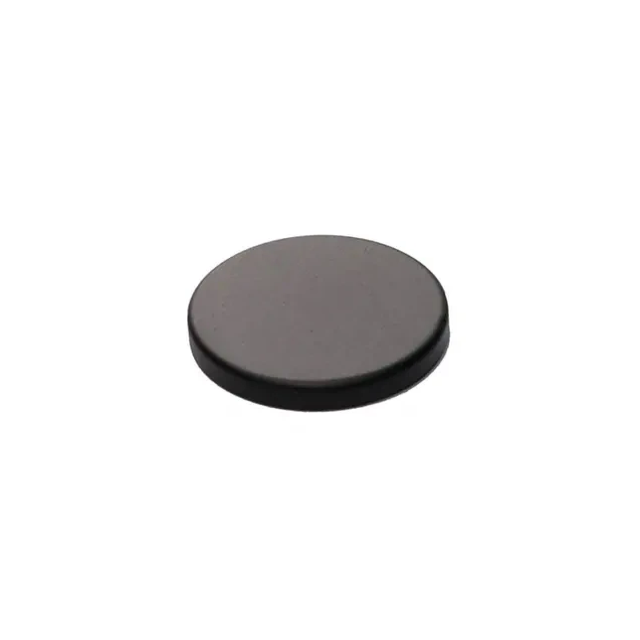
Diametric magnetization involves aligning the magnetic poles perpendicular to the central axis of the magnet. In this orientation, the magnetic field lines run across the diameter of the magnet, rather than along the axis. This results in a different magnetic field distribution compared to axial magnetization, creating a more focused and directional magnetic field.
In audio applications, NdFeB ring magnets with diametric magnetization are often used in specialized audio drivers, where precise control of the magnetic field is required. The magnetic field is stronger at specific points, which helps to refine the interaction between the magnet and the voice coil, improving the accuracy and responsiveness of the speaker.
Uses in Specialized Audio Drivers
Diametric magnetization is typically used in more advanced or specialized audio drivers, such as those found in high-end headphones or precision audio equipment. In these systems, the more focused magnetic field helps to improve sound fidelity and control, particularly in applications requiring precise low-frequency response and high sensitivity. By using NdFeB ring magnets with diametric magnetization, designers can create audio systems that provide richer, more accurate sound reproduction, especially in the midrange and bass frequencies.
Comparison Table: Axial vs Diametric
Feature | Axial | Diametric |
Magnetic Field Orientation | Parallel to axis | Perpendicular to axis |
Best Use | Standard drivers | Tighter acoustic control |
Ease of Assembly | Easier to assemble and position | Requires precise alignment |
This table outlines the key differences between axial and diametric magnetization in NdFeB ring magnets. As shown, axial magnetization is best for standard drivers, offering ease of assembly and strong, evenly distributed magnetic fields. Diametric magnetization, on the other hand, is used for specialized applications, where precise control over the magnetic field is needed for superior sound reproduction.
Choosing Ring Magnet Grade & Coating
Why NdFeB Offers Superior Sound Fidelity
The exceptional magnetic strength of NdFeB magnets makes them the preferred choice for audio applications. Their ability to generate powerful magnetic fields in a small size allows for more compact designs without compromising on sound quality. NdFeB magnets are also highly durable, ensuring that they maintain their magnetic strength over time, even under the mechanical stresses and temperature fluctuations typically found in audio equipment.
Using NdFeB magnets in audio systems results in more efficient energy conversion, meaning the audio system can produce louder, clearer, and more accurate sound. The strength and stability of the magnetic field in NdFeB magnets allow for precise control over the movement of the diaphragm, leading to superior sound fidelity.
Coating Options for Longevity
To ensure that NdFeB magnets maintain their performance over time, they are often coated with protective materials such as nickel, zinc, or epoxy. These coatings protect the magnets from corrosion, moisture, and wear, which can degrade the magnet’s strength and reduce its lifespan.
In audio applications, where consistent performance is essential, these coatings are particularly important. The coating ensures that the NdFeB ring magnets remain effective in the long run, even in the demanding environments where they are used. The protective layer prevents corrosion caused by exposure to humidity or other environmental factors, ensuring that the magnet retains its magnetic properties for years.
Conclusion
When designing audio equipment, NdFeB ring magnets are an essential component for achieving high-quality sound performance. Whether you use axial or diametric magnetization, Neodymium magnets provide the magnetic strength and stability required for optimal sound reproduction. By understanding the differences between the two magnetization orientations, you can choose the right NdFeB magnet for your audio system, whether for standard speakers or specialized high-fidelity equipment.
At Yueci Magnetic, we specialize in providing high-quality NdFeB magnets, including ring magnets, that are perfect for your audio applications. Our magnets are designed to offer exceptional strength, durability, and precision, helping you achieve superior sound quality in your projects.
Contact Us today to learn more about our NdFeB magnets and how they can enhance the performance of your audio systems.
FAQ
Q1: What is the difference between axial and diametric magnetization in ring magnets?
A1: Axial magnetization aligns the magnetic poles along the axis of the magnet, creating a uniform magnetic field. Diametric magnetization, on the other hand, aligns the poles perpendicular to the axis, offering more precise control over the magnetic field.
Q2: Why are NdFeB magnets preferred for audio applications?
A2: NdFeB magnets provide superior magnetic strength in a compact form, making them ideal for audio systems that require strong, stable magnetic fields. Their strength and durability help improve sound quality and reliability in audio applications.
Q3: How does NdFeB ring magnet coating affect performance?
A3: Coating NdFeB magnets with materials like nickel, zinc, or epoxy helps protect them from corrosion and wear, ensuring they maintain their magnetic strength and performance over time.
Q4: What are the best applications for diametric magnetization in audio?
A4: Diametric magnetization is ideal for specialized audio drivers that require tighter acoustic control and superior sound fidelity, particularly in high-end headphones or precision audio systems.