Magnets play a crucial role in the aerospace industry, where precision, efficiency, and reliability are paramount. From powering motors and actuators to enabling sensors and magnetic bearings, magnets are essential components in a wide range of aerospace technologies. Among the various types of magnets, SmCo magnets (Samarium Cobalt) are particularly favored for aerospace applications due to their exceptional high-temperature resistance, corrosion resistance, and long-term durability. In the harsh conditions of aerospace environments, where components are exposed to extreme temperatures, pressure variations, and demanding operational conditions, SmCo magnets provide the stability and performance needed for critical systems. Their ability to function reliably at temperatures up to 350°C or higher makes them ideal for applications where other magnets, such as Neodymium, would fail. Therefore, SmCo magnets are the preferred choice for aerospace, ensuring both performance and longevity in high-stress environments.
SmCo Magnets: Definition and Features
1.Composition
SmCo magnets are a type of rare-earth magnet made from an alloy of Samarium and Cobalt. The combination of these two elements gives SmCo magnets their unique properties, making them suitable for high-performance applications.
2.Key Features
High-Temperature Resistance: SmCo magnets can maintain their magnetic strength even at temperatures up to 350°C or higher, making them perfect for high-temperature applications like aerospace.
Corrosion Resistance: These magnets offer excellent resistance to corrosion, ensuring they can withstand harsh environments, including exposure to moisture and chemicals.
Long-Term Stability: SmCo magnets exhibit long-term magnetic stability, retaining their magnetic properties over time without significant degradation, which is crucial for critical systems that require reliable performance.
3.Performance
SmCo magnets are known for their exceptional performance in high-temperature and corrosive environments. Their ability to withstand temperatures exceeding 350°C makes them indispensable for aerospace components, such as motors, actuators, and sensors, where durability and stability are paramount.
High-Temperature Stability for Aerospace
1.Importance of High-Temperature Stability in Aerospace Applications
In the aerospace industry, components are often subjected to extreme temperatures due to factors such as altitude, friction, and environmental conditions. High-temperature stability is essential to ensure the reliability and safety of aerospace systems. For instance, aircraft engines, turbines, and sensors experience rapid temperature fluctuations, and parts must maintain their performance under these conditions. If magnetic materials degrade in extreme heat, critical systems such as actuators, motors, and sensor applications could fail, leading to potential safety risks and operational inefficiencies. Therefore, ensuring that magnets maintain their magnetic strength and stability at high temperatures is crucial for aerospace applications.
2.SmCo Magnets vs. Neodymium Magnets in Extreme Heat Environments
SmCo magnets are known for their superior high-temperature stability compared to other magnets, such as Neodymium magnets. While Neodymium magnets perform exceptionally well at room temperature, they lose their magnetic strength rapidly when exposed to heat beyond 80°C-200°C, making them unsuitable for high-temperature aerospace applications. In contrast, SmCo magnets can operate at temperatures as high as 350°C or more, maintaining their magnetic strength and stability even in extreme conditions.
The high-temperature resistance of SmCo magnets is due to their intrinsic material properties, which allow them to withstand thermal fluctuations without undergoing thermal demagnetization. This makes them a reliable choice for aerospace systems exposed to extreme heat over extended periods, ensuring long-term performance and reliability in high-temperature environments where Neodymium magnets would degrade.
Corrosion Resistance and Durability
1.Corrosion Resistance in Aerospace Applications
Aerospace components are often exposed to harsh environmental conditions, including extreme pressures, temperature variations, and moisture. This exposure can cause corrosion and material degradation, which can compromise the performance and safety of critical systems. SmCo magnets offer exceptional corrosion resistance, making them ideal for use in aerospace applications. Their ability to resist rust and deterioration from moisture, chemicals, and extreme environmental conditions ensures they remain functional in challenging environments such as high-altitude flights, space missions, and submarine systems. This corrosion resistance is especially critical in aerospace, where the reliability of each component is crucial for ensuring safety and long-term performance.
2.Durability for Long-Term Performance
In aerospace systems, where components experience extreme stresses and extended operational periods, durability is paramount. SmCo magnets are known for their long-lasting performance under continuous exposure to harsh conditions. Their durability is derived from their stable magnetic properties, which do not degrade over time, even with long-term exposure to temperature fluctuations, vibration, and pressure changes. This makes them perfect for critical aerospace applications, such as actuators, motors, and sensors, which require reliable, long-term operation without the need for frequent replacements or maintenance.
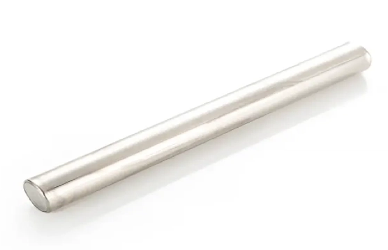
Compact and Lightweight
1.High Magnetic Energy Density in a Compact Form
One of the key advantages of SmCo magnets is their ability to deliver high magnetic energy density in a compact and lightweight form. Despite their small size, SmCo magnets generate a powerful magnetic field, which makes them an excellent choice for applications where space and weight are at a premium. In aerospace designs, where efficiency and weight reduction are critical, SmCo magnets provide a compact solution that doesn't compromise on magnetic strength. This is especially important for systems that must fit into tight spaces while still requiring high-performance magnetic properties.
2.Importance for Space-Saving in Aerospace Designs
In the aerospace industry, space-saving is crucial. Every component must be designed to be as compact and lightweight as possible to optimize performance, fuel efficiency, and reduce overall weight. SmCo magnets are perfect for this purpose because they offer strong magnetic strength without the bulk, making them ideal for motors, sensors, actuators, and other aerospace systems where space and weight constraints are a concern. Their small size and high efficiency make them valuable in designing more efficient, compact aerospace systems that meet the stringent requirements of modern aviation and space exploration.
Common Aerospace Applications of SmCo Magnets
1. Sensors
SmCo magnets are widely used in high-precision aerospace sensors. These sensors are critical for applications like navigation systems, attitude control, and position sensing. SmCo magnets provide the stable, reliable magnetic properties needed for sensors exposed to extreme temperatures and environmental conditions. Their corrosion resistance and long-term stability ensure that they perform consistently over time, even in the harsh conditions of aerospace environments.
2. Actuators and Motors
SmCo magnets are commonly used in actuators and motors within aerospace systems, where precise control is essential. These components are used for controlling flight surfaces, such as elevators, rudders, and flaps, as well as for operating landing gear and braking systems. The high magnetic strength of SmCo magnets allows for smaller, more efficient actuators and motors that can function effectively at high altitudes and in extreme temperature environments, making them ideal for aerospace control systems.
3. Magnetic Bearings
In spacecraft machinery, SmCo magnets are used in magnetic bearings to reduce friction. Magnetic bearings support rotating components without physical contact, using the repulsive force of magnets to keep parts in place. The high-temperature resistance and long-term stability of SmCo magnets are particularly useful in this application, as they ensure smooth operation and minimal wear over time, which is critical for systems exposed to the harsh conditions of spacecraft and satellite systems.
FAQ (4 Questions)
1.What makes SmCo magnets ideal for aerospace applications?
SmCo magnets are ideal for aerospace applications due to their exceptional high-temperature resistance, corrosion resistance, and long-term reliability. These properties ensure they can perform reliably in harsh environments, where temperature fluctuations, pressure changes, and exposure to chemicals are common.
2.How do SmCo magnets withstand high temperatures in aerospace?
SmCo magnets can operate at temperatures of up to 350°C or higher without losing their magnetic strength. This ability to maintain performance in extreme heat is essential for aerospace applications, where components like motors, sensors, and actuators are exposed to high temperatures during flight or space missions.
3.Are SmCo magnets used in spacecraft?
Yes, SmCo magnets are used in spacecraft for critical components such as magnetic bearings and actuators. Their high-performance and durability in extreme conditions make them ideal for use in spacecraft, where long-term reliability and resistance to harsh environmental factors like radiation and extreme temperatures are crucial.
4.Can SmCo magnets be exposed to harsh conditions in aerospace?
Yes, SmCo magnets are highly corrosion-resistant and can withstand extreme conditions in aerospace, such as high pressures, temperature fluctuations, and radiation. Their durability ensures that they continue to perform reliably in the challenging conditions encountered in spacecraft and aerospace systems over extended periods.
Conclusion
In conclusion, SmCo magnets are ideal for aerospace applications due to their exceptional high-temperature resistance, allowing them to operate in environments exceeding 350°C. This is crucial for critical aerospace systems exposed to extreme heat, such as engines and actuators. Their ability to maintain magnetic strength in high-heat conditions ensures reliable performance in demanding environments.
SmCo magnets also offer superior corrosion resistance, making them durable in harsh conditions, including space and high-altitude environments, where exposure to moisture and chemicals is common. Their outstanding durability allows them to retain magnetic properties over time, ensuring long-term reliability.
Additionally, their compact size and high magnetic energy density make them perfect for space-constrained aerospace designs, offering efficient, lightweight systems without sacrificing performance.
In summary, SmCo magnets combine high-temperature resistance, corrosion resistance, durability, and compactness, making them the preferred choice for aerospace applications, ensuring reliable performance and longevity in extreme conditions.