Magnets play a crucial role in various modern industries, powering everything from motors and electronics to medical devices and renewable energy systems. Two of the most widely used types of rare-earth magnets are SmCo (Samarium Cobalt) and Neodymium magnets, both of which offer unique advantages depending on the application. SmCo magnets are known for their exceptional high-temperature stability, making them ideal for extreme conditions, while Neodymium magnets excel in applications requiring strong magnetic strength at ambient temperatures. This article will delve into a detailed comparison of these two magnets, focusing on their performance under high-temperature environments, where the behavior of their magnetic properties significantly differs. Understanding these differences can guide the right choice for high-temperature applications.
Introduction to SmCo Magnets
SmCo magnets, short for Samarium Cobalt magnets, are a specialized type of rare-earth magnet composed mainly of samarium and cobalt. These magnets stand out due to their exceptional high-temperature resistance, corrosion resistance, and long-term stability, which makes them indispensable in certain demanding applications.
1. High-Temperature Resistance
SmCo magnets are known for their ability to withstand extreme temperatures, with a working temperature range that can exceed 350°C, making them suitable for high-heat environments where other magnets may fail.
2. Corrosion Resistance
The cobalt component of SmCo magnets provides a high level of corrosion resistance, ensuring that they can perform well even in harsh, chemically aggressive environments. This feature is particularly important for applications in marine and aerospace industries.
3. Stability
SmCo magnets exhibit high stability over time, maintaining their magnetic properties without significant degradation. This makes them ideal for applications that require long-lasting performance and minimal maintenance.
4. Common Applications
SmCo magnets are widely used in critical industries such as aerospace, where high-performance magnets are needed to operate in extreme conditions, automotive applications like sensors and actuators, and medical devices such as MRI machines, where stable, reliable performance is paramount.
Introduction to Neodymium Magnets
Neodymium magnets, often referred to as NdFeB magnets (Neodymium, Iron, and Boron), are a type of rare-earth magnet composed of an alloy of these three elements. These magnets are known for their high magnetic energy density and strong magnetic field strength, which makes them some of the most powerful permanent magnets available.
1. High Magnetic Energy Density
Neodymium magnets are capable of producing a powerful magnetic field relative to their size. This high magnetic energy density allows them to deliver strong magnetic forces in compact, lightweight forms.
2. Strong Magnetic Field Strength
The combination of Neodymium, Iron, and Boron provides these magnets with a strong magnetic field, making them ideal for applications requiring high performance and compactness, where space is limited but high force is needed.
3. Suitability for Ambient Temperature Environments
Neodymium magnets perform optimally in ambient temperature environments. Their performance tends to degrade significantly at higher temperatures, usually beyond 80°C-200°C. As such, they are best suited for applications where the operational environment does not reach extreme heat.
4. Common Applications
Due to their exceptional strength, Neodymium magnets are used in a variety of industries, including motors, where they drive electric and hybrid vehicles, consumer electronics such as hard drives, headphones, and speakers, and wind turbines, where they are essential for efficient energy generation.
High Temperature Performance Comparison
1.Advantages of SmCo Magnets in High-Temperature Environments:
Superior High-Temperature Stability: SmCo magnets excel in high-temperature environments, maintaining their magnetic properties even at extreme heat. They can operate at temperatures of up to 350°C or higher without significant performance degradation. This makes them ideal for applications where temperature fluctuations or extreme heat are common.
Long-Term Stability: Unlike other magnet types, SmCo magnets retain their magnetic strength over time, even in high-temperature conditions. This long-term stability ensures reliable performance and minimal need for maintenance, making them suitable for industries like aerospace and automotive where durability is critical.
2.High-Temperature Limits of Neodymium Magnets:
Magnetic Strength Decreases Rapidly: Neodymium magnets, while offering incredibly strong magnetic fields at lower temperatures, experience a significant loss of magnetic strength at high temperatures. Their typical working temperature range is between 80°C-200°C, with performance diminishing sharply as temperatures increase beyond this range.
Thermal Demagnetization Effect: As Neodymium magnets are exposed to high temperatures, they undergo thermal demagnetization, where the heat causes the magnet's atoms to lose their alignment, weakening its magnetic strength. This effect makes Neodymium magnets less suitable for high-temperature environments, especially where sustained magnetic performance is required.
Choosing Between SmCo and Neodymium Magnets
Selecting the right magnet for your application is crucial to ensure optimal performance, especially when temperature plays a significant role. Here's a guide to help you choose between SmCo magnets and Neodymium magnets based on temperature requirements.
1. High-Temperature Applications: Use SmCo Magnets
SmCo magnets are the ideal choice for environments where high temperatures are a constant factor. Their high-temperature stability allows them to function effectively at temperatures up to 350°C or even higher, making them suitable for industries like aerospace, automotive, and industrial machinery, where heat resistance is critical.
Recommended Uses:
Aerospace components (e.g., actuators, sensors)
Automotive applications (e.g., high-performance motors and sensors)
Medical devices (e.g., MRI machines, where high temperatures may be encountered)
Industrial equipment (e.g., robotics, turbines)
2. Low to Moderate Temperature Applications: Use Neodymium Magnets
Neodymium magnets, while offering incredibly strong magnetic fields, are best suited for ambient to moderate temperature applications (typically 80°C-200°C). These magnets provide high magnetic energy density, which makes them ideal for use in applications that do not expose them to extreme heat.
Recommended Uses:
Motors (e.g., in consumer electronics and electric vehicles)
Consumer electronics (e.g., hard drives, speakers, and headphones)
Wind turbines (where temperatures are within the moderate range)
Magnetic resonance imaging (MRI) devices, if they don't exceed the temperature limits
Key Takeaways
SmCo magnets are your go-to option for applications exposed to high temperatures or extreme heat, ensuring long-term stability and reliable performance.
Neodymium magnets should be used in applications where temperatures will remain moderate to low, leveraging their strong magnetic strength while avoiding high-temperature stress that would cause demagnetization.
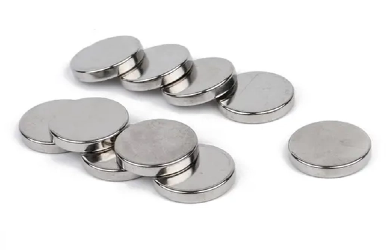
Cost vs. Performance Balance
When choosing between SmCo and Neodymium magnets, the balance of cost and performance is a key factor.
1. SmCo Magnets: Higher Cost, Superior High-Temperature Performance
Higher Cost: SmCo magnets are more expensive due to the cost of raw materials (samarium and cobalt) and manufacturing complexity.
High-Temperature Performance: SmCo magnets excel in high-temperature environments, working effectively at 350°C or higher. They are ideal for aerospace, automotive, and industrial machinery applications.
Best for Specific Needs: The higher cost is justified when high-temperature stability and long-term reliability are crucial.
2. Neodymium Magnets: Affordable, Ideal for Medium-Temperature Applications
Affordability: Neodymium magnets are more affordable, thanks to abundant raw materials and simpler manufacturing processes.
Medium-Temperature Performance: Suitable for applications in the 80°C-200°C range, such as motors, consumer electronics, and wind turbines.
Best for Budget-Conscious Applications: Neodymium magnets offer strong performance at a lower cost, making them ideal for medium-temperature needs.
Key Takeaway
SmCo magnets are more expensive but are the best choice for high-temperature applications, offering excellent long-term stability.
Neodymium magnets provide a cost-effective solution for medium-temperature applications, balancing performance and affordability.
FAQ (4 Questions)
1.What is the working temperature range of SmCo magnets?
SmCo magnets can work stably at temperatures up to 350°C or even higher, making them ideal for high-temperature environments, such as aerospace, automotive, and industrial machinery.
2.How do Neodymium magnets perform at high temperatures?
Neodymium magnets lose their magnetic strength rapidly at high temperatures, with a typical working range between 80°C-200°C. Beyond this range, they experience thermal demagnetization, significantly weakening their magnetic force.
3.What are the main advantages of choosing SmCo magnets?
SmCo magnets offer superior high-temperature stability, corrosion resistance, and long-term performance. They are the best choice for applications exposed to extreme heat, providing reliable, durable performance over time, even in harsh environments.
4.Why are Neodymium magnets suitable for lower temperatures?
Neodymium magnets are strong at ambient temperatures and moderate heat but start to demagnetize at higher temperatures. This makes them suitable for lower to medium temperature environments, where high magnetic strength is needed without the risk of thermal degradation.
Conclusion
In high-temperature environments, SmCo magnets offer superior performance with exceptional high-temperature stability and long-term reliability, making them the ideal choice for demanding applications in aerospace, automotive, and industrial machinery. However, their higher cost can be a limiting factor for some projects. On the other hand, Neodymium magnets, while affordable and providing strong magnetic field strength, are limited by their performance degradation at temperatures above 200°C, making them suitable for medium-temperature applications like motors and consumer electronics.
When choosing between these two types of magnets, it is essential to consider the specific needs of the application, including the temperature range, performance requirements, and budget. If high temperature stability and long-term performance are critical, SmCo magnets are the best choice. For applications with moderate temperature demands, Neodymium magnets offer a more cost-effective solution. Ultimately, selecting the right magnet depends on balancing temperature needs, performance, and cost to ensure the best fit for the given application.