Magnets play a crucial role in the functionality of modern smartphones, enhancing various features that make them more efficient and user-friendly. Neodymium magnets, specifically Neodymium Disc Magnets and Neodymium Ring Magnets, are key components in many of these devices due to their high magnetic strength and compact size. These magnets are integral to smartphone features such as speakers, vibration motors, magnetic sensors, and wireless charging systems. In smartphones, Neodymium Disc Magnets are commonly used in speakers to drive sound production, while Neodymium Ring Magnets are essential for vibration feedback. Additionally, magnets are involved in the precise alignment needed for wireless charging and in enabling magnetic sensors for features like orientation and compass functions. The use of NdFeB magnets allows smartphones to perform these tasks effectively, contributing to the overall performance, efficiency, and miniaturization of the device.
What Are Neodymium Magnets?
1.Definition and Composition
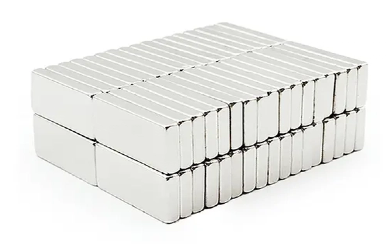
Neodymium magnets (NdFeB magnets) are powerful permanent magnets made from an alloy of neodymium (Nd), iron (Fe), and boron (B). Known for their strong magnetic fields and high energy density, these magnets are the most powerful type available today.
2.Neodymium Disc and Ring Magnets
Two common forms of NdFeB magnets used in smartphones are Neodymium Disc Magnets and Neodymium Ring Magnets.
Neodymium Disc Magnets are flat and circular, typically used in smartphone speakers to drive sound by interacting with other magnetic components.
Neodymium Ring Magnets are ring-shaped and used in vibration motors to provide efficient and stable magnetic fields for vibration feedback.
3.Why NdFeB Magnets Are Ideal for Smartphones
NdFeB magnets are ideal for smartphones due to their high magnetic strength relative to their size. This enables powerful performance within the compact design of smartphones, making them perfect for applications requiring small yet efficient magnets.
4.General Properties of Neodymium Magnets
In addition to their magnetic strength, Neodymium magnets are durable and resistant to demagnetization, ensuring long-lasting and reliable performance. Their ability to maintain strong magnetic fields over time makes them essential for components like speakers, sensors, and wireless charging in smartphones.
The Role of Magnets in Smartphones
1.Speakers
Neodymium Disc Magnets play a crucial role in driving sound in smartphone speakers. These magnets are used in conjunction with a voice coil and diaphragm to produce sound. When an electrical signal passes through the coil, the Neodymium Disc Magnets generate a strong magnetic field, causing the diaphragm to vibrate and produce sound. The high magnetic strength of these magnets allows for compact, efficient speakers capable of delivering high-quality sound in the limited space available in smartphones.
2.Vibration Motors
Neodymium Ring Magnets are integral to the operation of vibration motors in smartphones. These motors provide haptic feedback, such as vibrations when receiving notifications or when interacting with the device. The Neodymium Ring Magnets interact with the coil in the motor to create a rotating force, driving the motor and producing vibrations. Their compact size and strong magnetic field make them ideal for providing the precise vibration feedback necessary for modern smartphones.
3.Magnetic Sensors
Magnets also play an essential role in magnetic sensors, which are used for features like compass functionality and orientation sensing in smartphones. These sensors detect the Earth's magnetic field to help determine the device's direction or orientation. Neodymium magnets are used in these sensors to generate stable magnetic fields, enabling accurate measurements of the surrounding magnetic field and supporting the navigation and location-based features in smartphones.
4.Wireless Charging
Magnets are also used in wireless charging systems in smartphones. In wireless charging, Neodymium magnets help align the charging pad and the smartphone for optimal energy transfer. The magnets ensure that the device is properly positioned for charging, allowing for more efficient power transfer between the charging coil and the receiver coil inside the phone. This magnetic alignment improves the performance and reliability of wireless charging technology, contributing to a more seamless user experience.
Benefits of Neodymium Magnets in Smartphones
1.Compact Design
One of the key benefits of Neodymium Disc and Neodymium Ring Magnets in smartphones is their compact size combined with high magnetic strength. This allows manufacturers to design slim, lightweight smartphones without compromising on performance. The small size of these magnets makes it possible to integrate them into tight spaces within the device, enabling better space utilization while still delivering powerful functionality in components like speakers, motors, and wireless charging systems.
2.Improved Performance
Neodymium magnets significantly enhance the performance of various smartphone systems. In speakers, their strong magnetic fields drive high-quality sound production, while in vibration motors, they enable precise and effective haptic feedback. For wireless charging, these magnets ensure optimal alignment between the device and the charging pad, improving energy transfer efficiency. The high magnetic strength of NdFeB magnets ensures that smartphones operate efficiently, delivering superior performance for users.
3.Durability
Another important benefit of Neodymium magnets is their durability. These magnets are known for their stability and resistance to demagnetization, ensuring that they maintain strong magnetic fields over time. This long lifespan makes them reliable in smartphones, which need to withstand regular use and wear. Whether in speakers, vibration motors, or magnetic sensors, the longevity of Neodymium magnets ensures consistent, long-term performance, making them an essential part of smartphone design.
Future of Magnets in Smartphone Technology
1.Emerging Technologies
As smartphone technology continues to evolve, NdFeB magnets will play an increasingly important role in enhancing performance. Emerging technologies like 5G integration, advanced haptic feedback systems, and AI-powered sensors will likely require more efficient, compact, and powerful magnets. Innovations such as multi-functional magnets could further integrate various smartphone components, streamlining design and improving performance. Additionally, advancements in wireless charging technology and miniaturized speakers will continue to benefit from the superior magnetic properties of Neodymium magnets, contributing to smarter, sleeker, and more efficient devices.
2.Potential Innovations in Magnet Recycling and Sustainable Production
As sustainability becomes a greater concern, magnet recycling and sustainable production practices will become increasingly important in the smartphone industry. The demand for rare earth elements like neodymium may lead to more innovative methods for magnet recycling, where old smartphones and electronics are repurposed to recover valuable materials. Advances in recycling technologies will allow for more efficient recovery of NdFeB magnets, reducing the need for new mining and minimizing environmental impact. Sustainable manufacturing methods that use cleaner technologies and reduce energy consumption will also ensure that the production of magnets in smartphones becomes more eco-friendly.
3.The Growing Importance of Magnets in Smartphones
As smartphones continue to evolve towards greater efficiency and miniaturization, the role of magnets will grow in significance. Neodymium magnets, with their compact size and powerful magnetic fields, will be essential in enabling further miniaturization of key components without sacrificing performance. From improved sound quality and vibration feedback to enhanced wireless charging, magnets will continue to be integral to the development of next-generation smartphones. Their ability to drive innovation in both functionality and design will ensure that magnets remain at the heart of smartphone technology for years to come.
FAQ: Common Questions About Magnets in Smartphones
1.How do Neodymium magnets affect the performance of smartphone speakers?
Neodymium Disc Magnets are used in smartphone speakers to drive sound production. Their strong magnetic fields help create efficient and high-quality sound by moving the diaphragm of the speaker. The compact size and high strength of NdFeB magnets allow for more powerful sound in a smaller, lightweight design, improving the audio experience in modern smartphones.
2.Do the magnets in smartphones affect battery performance?
While magnets do not directly affect battery life, they are used in components like the vibration motor and wireless charging system. The efficiency of these components, driven by Neodymium Ring Magnets and other magnetic systems, can indirectly improve the overall performance of the device by enabling faster, more efficient charging and more responsive haptic feedback. This can lead to a more efficient use of power and, indirectly, an enhancement of battery life.
3.Can magnets in smartphones interfere with other devices?
Strong magnets in smartphones could potentially interfere with other devices that rely on magnetic fields, such as credit cards, pacemakers, and some electronic devices. However, smartphone manufacturers design their devices to minimize this risk. For example, smartphones are shielded to reduce magnetic field exposure to sensitive components, ensuring that the magnets used do not interfere with daily usage or safety.
4.Are there any environmental concerns associated with using Neodymium magnets in smartphones?
Yes, Neodymium magnets are made from rare earth elements, which can have environmental and ethical concerns related to mining practices. These concerns include habitat destruction, pollution, and poor labor conditions in certain mining regions. However, advances in magnet recycling and the development of more sustainable manufacturing methods are helping mitigate these challenges. Companies are also working on improving the recycling rates for rare earth materials, reducing the need for new mining and minimizing the environmental footprint.
Conclusion
Neodymium magnets, specifically NdFeB magnets, play a critical role in the functionality of modern smartphones, powering key components like speakers, vibration motors, magnetic sensors, and wireless charging systems. Their high magnetic strength and compact size make them ideal for the slim, performance-driven designs of today’s devices. As smartphones evolve, the importance of continued innovation in magnet technology becomes increasingly clear. Advancements in magnet recycling and sustainable manufacturing practices will be essential to improving smartphone performance while minimizing environmental impact. Looking ahead, NdFeB magnets will continue to shape the future of smartphone design and technology, enabling more efficient, miniaturized components that drive further innovation in areas like audio, haptics, and wireless power. With ongoing developments, magnets will remain a cornerstone in the evolution of smarter, more sustainable devices.