Neodymium magnets are powerful tools, but did you know they can be dangerous if broken? Their immense strength can lead to serious injuries. In this article, we’ll discuss the risks of breaking neodymium magnets and offer safety tips to handle them properly.
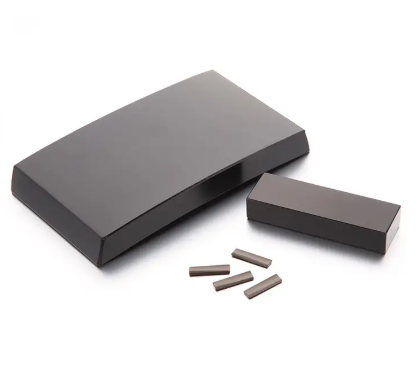
What Happens When a Neodymium Magnet Breaks?
When a neodymium magnet breaks, it doesn't simply crack or chip. The result is often a violent shattering of the magnet into sharp, jagged pieces. These pieces can become airborne, causing immediate injury risks. Additionally, the fragments retain powerful magnetic forces, making them even more dangerous to handle.
The Shattering Effect
Neodymium magnets have a brittle structure due to their high iron content. This brittleness means that when they break, the resulting fragments are sharp and can fly at high speeds. If you’re near the magnet at the time of breakage, these shards can cause serious injuries, especially to the eyes.
Magnetic Attraction
Even after breaking, the magnetic pieces retain their magnetic properties. This means that the fragments can easily attract to each other, as well as to nearby metal objects. If you're not careful, the strong force of attraction can cause the broken pieces to snap back together, potentially pinching or crushing any part of your body caught between them.
Loss of Magnetic Strength
While the individual fragments may still be magnetic, the overall strength of the magnet is significantly reduced once broken. The fracture disrupts the magnet's internal structure, leading to a loss in its original magnetism, making it weaker than it was before.
The Dangers of Broken Neodymium Magnets
Eye Injuries from Flying Fragments
When a neodymium magnet breaks, the fragments can launch with enough speed to cause serious eye injuries. These flying shards could easily lead to cuts, scratches, or even blindness if proper eye protection isn't worn. Always wear safety goggles when handling neodymium magnets to avoid eye damage.
Cuts and Lacerations
Broken neodymium magnets can create sharp edges that can cause deep cuts or lacerations similar to broken glass. These sharp edges can be dangerous to your skin, and in some cases, medical treatment may be necessary if the pieces become embedded in the skin.
Pinching and Crushing Hazards
When large neodymium magnets break, the fragments may attract each other with tremendous force. This can lead to pinching injuries, where your fingers or skin get caught between the pieces. These injuries can cause blood blisters, severe bruising, or even broken bones, particularly when large magnets are involved.
Risks of Ingestion
One of the most dangerous risks associated with broken neodymium magnets is ingestion. If small fragments are accidentally swallowed, they can attract each other through the intestinal wall, causing severe damage. This can result in blockages, internal bleeding, and even death. For children, the ingestion of multiple magnet fragments can lead to serious health complications that require immediate surgery.
Tips: Always keep neodymium magnets away from children to avoid ingestion risks.
How to Safely Handle Neodymium Magnets
Personal Protection
The first step in safely handling neodymium magnets is to wear proper protective gear. Safety goggles will protect your eyes from flying shards, while gloves will protect your hands from pinching injuries or cuts.
Handling Large Magnets
When working with large neodymium magnets, always use non-metallic tools such as plastic wedges or tweezers to avoid direct contact. Never try to pull magnets apart with your bare hands, as this increases the risk of injury. Instead, slide magnets apart horizontally to avoid sudden magnetic attraction.
Tips: Use plastic tools to separate large magnets to prevent unnecessary risks.
Keep Magnets Separated
Store neodymium magnets in a controlled environment, such as a dry, room-temperature location. Make sure the magnets are separated to prevent them from slamming into each other, which can cause breakage. Storing magnets properly can significantly reduce the risk of an accidental shattering.
Avoid Exposure to Heat
Exposure to temperatures above 175°F (80°C) can demagnetize a neodymium magnet, weakening its magnetic properties. Be cautious when working around heat sources, as prolonged exposure can cause permanent damage to the magnet.
The Risks of Neodymium Magnets for Children
Ingestion Risks
Children are particularly vulnerable to the dangers of neodymium magnets, especially if they are small enough to swallow. If multiple fragments are swallowed, they can attract each other through the intestinal wall, leading to severe internal damage. Always keep magnets out of reach of young children, and educate them about the dangers.
Crushing and Pinching Hazards
Larger magnets can exert extreme force when they attract to each other. If children's fingers get caught between two powerful magnets, it can lead to painful pinching injuries or even broken bones.
What to Do if a Neodymium Magnet Breaks
Secure the Area
If a neodymium magnet breaks, it's important to secure the area immediately. Ensure that everyone, especially children and pets, is kept away from the broken pieces. Wearing protective gloves and goggles is crucial before starting cleanup.
Safely Collect the Pieces
Use a non-metallic tool, such as plastic tweezers, to carefully collect the fragments. Avoid using your bare hands, as the sharp edges can cause injuries. Place the broken pieces in a sturdy, non-metallic container, such as a plastic jar, to keep them secure.
Isolate and Label the Fragments
Once you've collected the fragments, label the container as 'Broken Neodymium Magnet – Sharp and Magnetic'. This ensures that anyone handling the container is aware of the risks involved.
Proper Disposal
Do not dispose of broken neodymium magnets in the regular trash. Many recycling centers have specific guidelines for rare earth materials. Contact a specialized recycling provider to ensure proper disposal and minimize environmental impact.
Conclusion
While neodymium magnets are incredibly useful, they come with significant risks when broken. The potential for injury from flying shards, pinching, crushing, or even ingestion is high. Proper handling, storage, and disposal of neodymium magnets are critical to ensuring safety. By following best practices and using the right safety equipment, you can minimize the risks and enjoy the benefits these powerful magnets provide.For those seeking high-quality magnets, YUECI KEJI offers reliable products designed for safety and performance.
FAQ
Q: What are neodymium magnets and why are they dangerous when broken?
A: Neodymium magnets are incredibly strong magnets used in various applications. When broken, they can release sharp shards that pose risks of injury, including pinching and crushing. The risks of breaking neodymium magnets are significant, so proper handling is essential.
Q: How can I safely handle neodymium magnets?
A: To safely handle neodymium magnets, always use protective gloves and safety glasses. Avoid dropping or forcefully striking them to minimize the risks of breaking neodymium magnets. Store them in secure, cushioned containers to prevent accidental damage.
Q: What are the risks of breaking neodymium magnets?
A: The primary risks include flying shards, which can cause injury, as well as the potential for pinching or crushing. In rare cases, smaller pieces can be accidentally ingested, leading to serious health concerns.
Q: Can neodymium magnets be repaired if broken?
A: Neodymium magnets cannot be repaired once broken. It's better to replace damaged magnets to avoid the risks of further injury or mishandling. Always inspect magnets before use to ensure they are intact.