As electric vehicles (EVs) revolutionize the automotive industry, new technologies are leading the way. One such technology is Neodymium Iron Boron (NdFeB) magnets.
These magnets are essential for EV performance, powering everything from motors to braking systems. In this article, we will explore the key applications of NdFeB magnets in the automotive and EV industries.
Understanding NdFeB Magnets: The Power Behind EVs
What Are Neodymium Magnets?
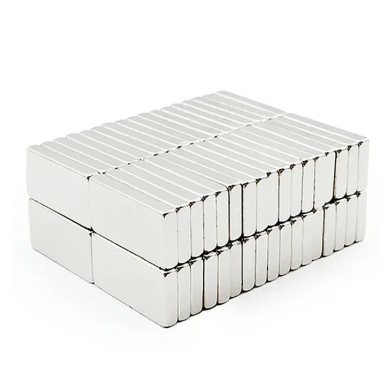
Neodymium magnets, often referred to as NdFeB magnets, are among the strongest permanent magnets available. They are composed of an alloy made of Neodymium (Nd), Iron (Fe), and Boron (B), which gives them their exceptional magnetic properties. These magnets generate strong magnetic fields despite their small size, making them an ideal choice for applications requiring both strength and compact design.
NdFeB magnets are utilized in a wide range of applications, from consumer electronics to medical equipment. In the automotive and EV industries, their combination of strength and lightweight properties makes them indispensable in components such as motors, sensors, and battery management systems.
Key Properties of NdFeB Magnets in Automotive and EV Applications
The primary reasons NdFeB magnets are favored in automotive and EV applications are their powerful magnetic fields, compact size, and ability to withstand high temperatures. Their strength-to-weight ratio allows manufacturers to design smaller, lighter motors without sacrificing performance. This is especially crucial for EVs, where efficiency and lightweight components directly impact battery life and vehicle range.
Moreover, NdFeB magnets are highly resistant to corrosion, ensuring long-term reliability and reduced maintenance costs. Their ability to perform at high temperatures is another important factor, as electric motors and other components often generate significant heat during operation.
The Core Applications of NdFeB Magnets in Electric Motors
NdFeB Magnets in EV Motor Propulsion Systems
The most significant application of NdFeB magnets in electric vehicles is in motor propulsion systems. Electric motors rely on powerful magnetic fields to convert electrical energy into mechanical energy, which drives the vehicle. NdFeB magnets are ideal for this purpose due to their ability to generate high torque and rotational force.
In EV motors, NdFeB magnets interact with the coils to create torque, allowing for efficient power delivery and smooth acceleration. Their strength enables smaller motors to deliver the same, if not superior, performance compared to larger traditional motors, making them essential for achieving the efficiency and compactness that modern electric vehicles demand.
Role of NdFeB Magnets in Regenerative Braking Systems
Regenerative braking systems in electric vehicles use NdFeB magnets to convert kinetic energy into electrical energy, which is then stored in the vehicle's battery. This process not only reduces wear and tear on traditional braking components but also extends the driving range by replenishing the battery during braking.
The use of NdFeB magnets in regenerative braking systems allows for more precise control, quicker stopping distances, and better energy efficiency. As EVs continue to improve their energy regeneration capabilities, the role of NdFeB magnets in enhancing braking systems will only become more significant.
NdFeB Magnets in Powertrain Components
In addition to propulsion systems, NdFeB magnets are also used in various powertrain components such as electric compressors, water pumps, and electric air conditioning systems. These components rely on NdFeB magnets' magnetic fields to operate efficiently and compactly.
For example, in electric air conditioning systems, NdFeB magnets help drive the compressor, which circulates refrigerants throughout the system. This results in a quieter, more energy-efficient HVAC system—critical in EVs, where energy conservation is paramount.
Enhancing Battery Management and Charging Systems with NdFeB Magnets
The Role of NdFeB Magnets in Battery Management Systems (BMS)
Battery management systems (BMS) are crucial for the safe and efficient operation of EV batteries. NdFeB magnets are used in BMS to help optimize the charging and discharging cycles of lithium-ion batteries, ensuring they operate within optimal parameters. By regulating these cycles, magnets contribute to extending battery life and preventing overcharging or deep discharge, which can damage the battery.
In addition to enhancing battery life, NdFeB magnets also help improve the overall energy efficiency of EVs, allowing for longer driving ranges on a single charge.
Charging Infrastructure: Speeding Up EV Adoption with NdFeB Magnets
As EV adoption continues to grow, efficient charging infrastructure becomes increasingly important. NdFeB magnets play a crucial role in the construction of electric vehicle supply equipment (EVSE), such as charging stations and connectors. These magnets help facilitate faster, more secure connections between vehicles and charging points, improving the overall charging experience for EV owners.
By enhancing charging efficiency, NdFeB magnets contribute to reducing charging times, making electric vehicles more convenient for daily use. This, in turn, encourages wider adoption of EVs and supports the transition to greener transportation.
Steering Systems and Precision Control: The Role of NdFeB Magnets
NdFeB Magnets in Electric Power Steering (EPS) Systems
Electric power steering (EPS) systems are integral to modern vehicles, offering precise steering control and greater fuel efficiency compared to traditional hydraulic systems. NdFeB magnets are used in EPS motors to create the necessary force for steering, enabling smoother and more responsive handling.
The strength and compactness of NdFeB magnets allow for more lightweight and efficient EPS systems, which is crucial for EVs that prioritize energy conservation and performance. Additionally, their durability and resistance to wear ensure long-term reliability in these critical systems.
Application in Advanced Driver Assistance Systems (ADAS)
Advanced driver assistance systems (ADAS) enhance vehicle safety and driver convenience through features like lane-keeping assist, automatic parking, and collision avoidance. NdFeB magnets play an essential role in enabling the sensors and actuators that power these systems.
For example, NdFeB magnets are used in the motors that drive sensors for adaptive cruise control and automatic braking. Their precise magnetic properties ensure that these systems function accurately, providing a safer driving experience for EV owners.
Additional Automotive and EV Applications: From Sensors to Micro Motors
NdFeB Magnets in Automotive Micro Motors
Micro motors are small motors found throughout modern vehicles, powering everything from windshield wipers to electric seat adjustments. NdFeB magnets are commonly used in these motors due to their high magnetic strength and compact size, allowing for more efficient and reliable performance.
As automotive design trends move toward increased comfort and automation, the demand for NdFeB magnets in micro motors is expected to rise. In high-end vehicles, multiple micro motors may be used to provide advanced features, contributing to the overall efficiency and luxury of the vehicle.
Role in Advanced Sensors and Control Systems
Sensors in electric vehicles provide real-time data on factors like speed, pressure, and position. NdFeB magnets are critical in driving these sensors, allowing them to function efficiently and accurately. These sensors play a key role in maintaining vehicle performance, supporting everything from engine management to vehicle stability systems.
The magnetic fields generated by NdFeB magnets enable the precise measurement and control required for these sensors, ensuring that EVs operate smoothly and safely.
Future Trends: Innovations in NdFeB Magnet Technology for EVs
Research and Development in Magnet Materials for EV Applications
As the demand for more efficient and sustainable electric vehicles grows, research into new NdFeB magnet compositions continues to advance. Innovations in magnet materials, such as the use of less rare-earth material or improved thermal stability, are paving the way for more efficient and cost-effective EV solutions.
The Shift Towards Sustainable Manufacturing of NdFeB Magnets
The production of NdFeB magnets involves the extraction and refining of rare earth elements, which has environmental and ethical implications. However, efforts are underway to develop more sustainable manufacturing processes for these magnets, reducing their environmental impact while maintaining performance.
By improving the sustainability of NdFeB magnets, the entire electric vehicle industry can move closer to its goal of reducing the carbon footprint of transportation.
Conclusion
Neodymium magnets are central to the electric vehicle revolution, enhancing performance, efficiency, and sustainability in automotive applications. From motor propulsion to regenerative braking and battery management, these magnets are essential in modern EV design. As magnet technology continues to advance, NdFeB magnets will play an increasingly important role. Their strength, durability, and energy efficiency are key to shaping the future of electric vehicles and supporting the transition to greener transportation. YUECI KEJI offers high-quality NdFeB magnets that meet these industry needs, providing powerful solutions for various automotive and EV applications.
FAQ
Q: What are Neodymium Magnets used for in electric vehicles (EVs)?
A: Neodymium magnets are used in EVs for motor propulsion, regenerative braking systems, and battery management. Their strength and efficiency help improve vehicle performance and range.
Q: How do NdFeB magnets enhance automotive applications?
A: NdFeB magnets are crucial in automotive applications like electric motors, power steering systems, and regenerative braking. Their strength and lightweight nature make them ideal for modern vehicle designs.
Q: Why are Neodymium Magnets preferred for electric vehicle motors?
A: Neodymium magnets are highly efficient and powerful. Their strong magnetic properties allow electric vehicle motors to generate high torque while maintaining a compact design, improving overall performance.