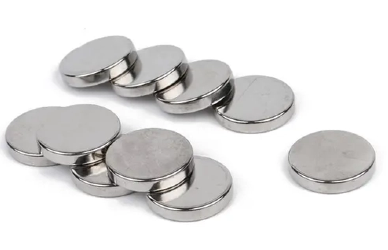
NdFeB magnets (Neodymium Iron Boron magnets) are among the most powerful permanent magnets available today, known for their high magnetic strength and compact size. These magnets are crucial in modern technology, powering everything from electric motors and renewable energy systems to consumer electronics and medical devices. As technology continues to advance, the role of NdFeB magnets is becoming increasingly significant, particularly in high-tech applications where performance and efficiency are key. In 2025, Neodymium magnets are expected to play a pivotal role in a variety of cutting-edge technologies, from electric vehicles and wind turbines to smartphones and robotics. This article will explore the top 10 high-tech uses of NdFeB magnets in 2025 and their continued importance in shaping the future of technology.
Electric Vehicles (EVs)
1.Role in EV Motors
NdFeB magnets are essential in electric vehicle (EV) motors, particularly in permanent magnet synchronous motors (PMSMs). These magnets create a strong magnetic field in a compact form, enabling efficient energy conversion from electrical power to mechanical power. This allows the motor to operate with high efficiency, reducing energy loss and improving overall performance.
2.Increasing Driving Range
The use of Neodymium magnets directly contributes to increasing the driving range of EVs. By improving motor efficiency, NdFeB magnets ensure that the vehicle uses energy from the battery more effectively, allowing for a longer distance on a single charge.
3.Reducing Weight
In addition to improving efficiency, NdFeB magnets help reduce motor weight, which is crucial for enhancing the overall performance of the EV. Lighter motors consume less energy, further boosting the efficiency and range of the vehicle, making NdFeB magnets a key component in the development of more efficient, high-performance electric vehicles.
Wind Turbine Generators
1.Role in Improving Efficiency
NdFeB magnets play a crucial role in enhancing the efficiency of wind turbine generators. These magnets are used in permanent magnet generators (PMGs), where they provide a strong, stable magnetic field that improves the conversion of mechanical energy into electrical energy. By utilizing Neodymium magnets, wind turbines can achieve higher energy conversion efficiency with less energy loss, resulting in better overall performance and more sustainable power generation.
2.Direct-Drive Systems
In direct-drive wind turbine systems, NdFeB magnets eliminate the need for traditional gearboxes, which can introduce mechanical losses and require additional maintenance. The magnetic field produced by Neodymium magnets allows the rotor to directly drive the generator, enhancing reliability and reducing the complexity of the system. This simplifies the turbine's design, lowers maintenance costs, and improves overall operational efficiency, making NdFeB magnets a key component in the next generation of wind power technology.
Smartphones and Consumer Electronics
1.Use in Smartphone Speakers, Vibration Motors, and Wireless Charging
Neodymium Disc and Ring Magnets are integral to the performance of various smartphone components. In smartphone speakers, Neodymium Disc Magnets generate the strong magnetic fields needed for efficient sound production by interacting with the voice coil and diaphragm. Similarly, Neodymium Ring Magnets are used in vibration motors to provide tactile feedback, allowing users to feel vibrations for notifications and interactions. These magnets also play a critical role in wireless charging systems, where their magnetic properties help align the charging coils for efficient energy transfer between the device and the charging pad.
2.Contribution to Compact Design and High Performance
The use of NdFeB magnets allows for compact designs in smartphones and other consumer electronics without sacrificing performance. Their high magnetic strength and small size enable manufacturers to create smaller, lighter devices with enhanced functionality, such as powerful sound, precise vibration feedback, and efficient wireless charging. This makes Neodymium magnets essential in delivering high performance within the limited space of modern electronic devices.
Robotics and Automation
1.Application in Actuators and Precision Motors
NdFeB magnets are widely used in actuators and precision motors for robotic systems. These magnets enable the motors to generate high torque in a compact design, which is crucial for the precise movements required in robotics. The strong magnetic fields provided by Neodymium magnets allow for fast and accurate control of robotic limbs, tools, and other components, ensuring optimal performance in various industrial applications.
2.Role in High Torque and Compact Motor Design
In industrial robots and automated systems, the combination of high torque and compact motor design is essential to achieving efficient, space-saving solutions. NdFeB magnets help produce powerful, reliable motors without taking up significant space, which is critical for maintaining the efficiency and agility of robots in manufacturing, assembly, and other automated tasks. By enabling smaller, more powerful motors, Neodymium magnets play a key role in enhancing the overall performance and flexibility of robotic and automation systems.
Renewable Energy Storage Systems
1.Role of Neodymium Magnets in Energy Storage Solutions
NdFeB magnets play a crucial role in energy storage systems such as flywheel systems and magnetic energy storage. In flywheel energy storage, Neodymium magnets are used in the motor-generator systems that store energy mechanically. The strong magnetic fields generated by NdFeB magnets help to spin the flywheel at high speeds, converting electrical energy into rotational kinetic energy, which can later be converted back to electricity when needed.
In magnetic energy storage systems, NdFeB magnets are used to create strong magnetic fields that facilitate the efficient conversion and storage of electrical energy. By using these magnets in magnetic storage devices, energy can be stored in the form of magnetic fields and released when required, offering a high-efficiency solution for energy storage.
2.How NdFeB Magnets Help in Storing and Converting Energy Efficiently
The high magnetic strength of NdFeB magnets makes them highly effective in storing and converting energy with minimal loss. In both flywheel and magnetic energy storage systems, Neodymium magnets allow for efficient energy conversion by maintaining stable, strong magnetic fields in a compact form. This enables energy to be stored and released efficiently, with reduced losses compared to other energy storage technologies, making NdFeB magnets essential for the advancement of renewable energy storage.
Electric Motors in Aerospace
1.Use of Neodymium Magnets in Electric Aircraft Motors and Drivetrains
Neodymium magnets are integral to the development of electric motors and drivetrains in electric aircraft. In these applications, NdFeB magnets are used to create the strong magnetic fields necessary for efficient electric propulsion systems. Their high magnetic strength and compact size enable the design of powerful, lightweight motors that are essential for the energy-efficient operation of electric aircraft. These magnets help drive the motors that power the aircraft's propulsion system, contributing to a cleaner and more sustainable mode of air travel.
2.Contribution to Reducing Weight and Improving Efficiency
One of the key benefits of NdFeB magnets in aerospace applications is their ability to reduce weight. As Neodymium magnets are incredibly powerful yet compact, they allow the design of motors that are significantly lighter than traditional systems. This weight reduction is crucial for improving efficiency in electric aircraft, as lighter vehicles consume less energy, thereby increasing the range and performance of the aircraft. Additionally, NdFeB magnets improve the efficiency of electric motors by minimizing energy loss, enabling more effective energy use for flight and reducing the overall carbon footprint of aerospace technologies. Thus, NdFeB magnets are vital in advancing the sustainability and efficiency of electric propulsion systems in aerospace.
Magnetic Levitation (MagLev) Trains
1.Role of NdFeB Magnets in MagLev Train Systems
NdFeB magnets are crucial in MagLev train systems, where they generate powerful magnetic fields that enable frictionless movement. These magnets are used in both the levitation and propulsion systems, lifting the train off the track and eliminating friction. The strong magnetic fields interact with the track, allowing the train to travel at high speeds with minimal resistance.
2.Impact on Transportation Efficiency
By reducing friction, NdFeB magnets enable MagLev trains to achieve higher speeds compared to traditional trains. This results in faster travel times and lower energy consumption, as less power is needed to overcome resistance. MagLev trains contribute to energy-efficient, cost-effective, and sustainable transportation solutions, paving the way for the future of high-speed travel.
Automated Manufacturing and 3D Printing
1.Use of NdFeB Magnets in Automated Manufacturing
NdFeB magnets are crucial in automated manufacturing, used in magnetic actuators, linear motors, and precision machines. These magnets generate strong magnetic fields that enable precise control and smooth movement in production systems. Magnetic actuators and linear motors powered by Neodymium magnets improve efficiency, precision, and speed, driving faster and more accurate assembly and material handling processes.
2.Role in 3D Printing Technologies
In 3D printing, NdFeB magnets enhance speed, precision, and material handling. Magnetic actuators and linear motors help control the print head's movement with high accuracy, improving the quality and consistency of prints. These magnets also enable faster movement, reducing print times, and ensure efficient material flow for smoother printing. Thus, NdFeB magnets play a key role in advancing automated manufacturing and 3D printing by improving performance and efficiency.
FAQ: Common Questions About NdFeB Magnet Applications
1.How do NdFeB magnets improve the efficiency of electric vehicles?
NdFeB magnets are used in EV motors to provide high magnetic strength in a compact size, improving motor efficiency, reducing weight, and increasing driving range.
2.Why are NdFeB magnets essential for wind turbine generators?
Neodymium magnets in wind turbines help improve energy conversion efficiency in direct-drive systems, eliminating the need for gearboxes and making the system more reliable and cost-effective.
3.What are the benefits of using NdFeB magnets in MRI systems?
NdFeB magnets provide the strong, stable magnetic fields required for high-resolution MRI scans, improving diagnostic accuracy and allowing for better image clarity.
4..Can NdFeB magnets be used in future aerospace technology?
Yes, NdFeB magnets are critical in electric propulsion systems for electric aircraft, where their high power-to-weight ratio helps reduce energy consumption and improve motor performance.
Conclusion
In 2025, NdFeB magnets are set to continue their critical role in a wide range of high-tech applications, including electric vehicles, wind turbine generators, smartphones, robotics, and 3D printing. Their exceptional magnetic strength, compact size, and energy efficiency make them indispensable in modern technology. The growing versatility of Neodymium magnets is driving innovation across industries, from automated manufacturing to renewable energy. As technology advances, NdFeB magnets will remain central to improving performance, reducing energy consumption, and enabling the development of more efficient, compact systems. Looking ahead, the continued evolution of magnet recycling and sustainable manufacturing methods will further enhance their role, ensuring that NdFeB magnets will shape the future of technology for years to come.