Neodymium magnets are incredibly strong, but did you know their grades can significantly affect performance? From electronics to medical devices, selecting the right grade is key.
In this article, we'll explore the different types of neodymium magnets and how their grades impact their functionality. By the end, you'll understand how to choose the right magnet for your needs.
What Are Neodymium Magnet Grades?
How Grades Are Measured
Neodymium magnets are graded based on their magnetic strength, measured in terms of maximum energy product, or BHmax (in megagauss-oersteds or MGOe). The higher the grade, the more powerful the magnet. For example, a grade of N35 represents a maximum energy product of 35 MGOe, while an N52 magnet reaches up to 52 MGOe.
The grading system usually consists of the letter 'N', followed by a number, such as N35, N42, or N52. The letter 'N' refers to neodymium, while the number indicates the magnet's energy strength.
The Role of Maximum Energy Product (BHmax)
The BHmax value determines how much energy a magnet can store. A higher BHmax means the magnet is capable of exerting a stronger force over a given volume. This is crucial in applications where compact size and high power are needed, such as electric motors or medical devices.
Types of Neodymium Magnets
Neodymium magnets come in several grades, each offering distinct magnetic strengths and thermal stability. Here's a breakdown of the most common types:
N35 - Affordable, Everyday Strength
N35 is one of the most popular grades, offering good magnetic strength at an affordable price. It's suitable for general applications like consumer electronics, small gadgets, and decorative items. While N35 magnets are powerful, they may not be suitable for high-performance or high-temperature applications.
Common uses: Home improvement, DIY projects, magnetic closures.
N42 - Moderate Strength for Versatile Applications
The N42 grade offers a balance between strength and cost. It provides slightly more magnetic force than N35 and is often used for slightly more demanding applications. N42 magnets are commonly used in motors, sensors, and light fixtures.
Common uses: Small motors, magnetic clasps, educational projects.
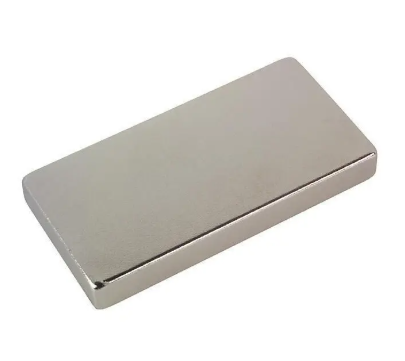
N50 & N52 - High-Strength for Industrial and Technological Use
The N50 and N52 grades are among the highest available. These magnets are extremely powerful and are used in specialized applications, including high-performance motors, MRI machines, and renewable energy technologies.
Common uses: Industrial lifting, high-torque motors, electric vehicle applications.
Specialized High-Temperature Grades
For applications in environments with high heat, magnets are designed with specific temperature tolerances. These include:
N42SH: Withstanding up to 150°C (302°F), commonly used in aerospace and medical devices.
N35UH: Ideal for applications exposed to high temperatures up to 180°C (356°F), such as in automotive or industrial machinery.
Common uses: Aerospace, medical devices, industrial generators.
Key Factors Affecting Magnet Grade Selection
When selecting a neodymium magnet, understanding how specific factors influence performance can help you choose the right grade.
Magnetic Strength vs. Size
Stronger magnets, like N50 and N52, can deliver more force in a compact size, making them ideal for small, high-performance devices. However, they also come with a higher cost and may require specialized handling due to their brittleness.
For less demanding tasks, lower grades like N35 or N42 provide sufficient strength without the added cost of higher-grade magnets.
Temperature Resistance
Temperature plays a crucial role in determining how well a magnet will perform. While N35 and N42 magnets are suitable for room temperature conditions, higher-grade variants like N42SH or N35UH are designed to withstand extreme heat without losing their magnetic properties.
Tip: If you need a magnet for a high-heat environment, make sure to select a high-temperature variant to avoid demagnetization.
Durability and Coatings
The durability of a neodymium magnet depends significantly on its coating. Common coatings like nickel, copper, and epoxy protect the magnet from corrosion, extending its lifespan. This is especially important in environments exposed to moisture or harsh chemicals.
Tip: Always check the coating type when using magnets in humid or outdoor settings.
Applications of Neodymium Magnets in Various Industries
Neodymium magnets are used in a variety of industries, each with specific requirements for magnet strength and temperature resistance. Here’s a look at how different grades are applied across industries:
Electronics and Consumer Goods
In electronics, neodymium magnets are often used in small, high-performance motors and speakers. The N35 and N42 grades are commonly found in products like hard drives, headphones, and magnetic closures.
Renewable Energy
High-grade magnets like N48 and N52 are essential in renewable energy applications, including wind turbine generators and electric vehicle motors, where both size and power matter.
Medical Devices
In medical technology, precision is crucial. Higher-grade magnets, such as N48 or N52, are used in MRI machines, surgical robots, and other critical medical devices, where strength and reliability are paramount.
Automotive and Industrial Sectors
For automotive applications, such as in hybrid or electric vehicles, and for heavy-duty industrial uses, magnets like N50 and N52 are common. They provide the necessary strength for high-performance motors and machinery.
Choosing the Right Neodymium Magnet Grade
Assess Your Needs
Start by determining the strength and size requirements for your application. If you need a compact, powerful magnet for a small device, higher grades like N52 might be the right choice. For general uses, N35 or N42 will suffice.
Consider the Environmental Conditions
If your magnet will be exposed to high temperatures, choose a high-temperature grade. If it will be in a corrosive environment, opt for a coated magnet to prevent rusting and degradation.
Budget vs. Performance
While higher grades offer more power, they also come with higher costs. Evaluate whether the increased strength justifies the additional expense for your specific application.
Neodymium Magnet Comparison: N35, N42, and N52
| Magnet Grade | Magnetic Strength (BHmax) | Maximum Operating Temperature | Common Applications | Cost |
| N35 | 35 MGOe (Mega Gauss Oersteds) | 80°C (176°F) | Everyday applications, toys, basic motors | Lower cost |
| N42 | 42 MGOe | 100°C (212°F) | Motors, sensors, electronics, renewable energy | Moderate cost |
| N52 | 52 MGOe | 120°C (248°F) | High-performance applications, advanced electronics, industrial machinery | Higher cost |
Conclusion
Understanding neodymium magnet grades is key to choosing the right magnet for your needs. Whether for electronics, renewable energy, or industrial machinery, selecting the right grade ensures maximum performance. Higher-grade magnets, like N52, offer superior strength, while lower grades, such as N35, are cost-effective for most tasks.
Consider factors like magnetic strength, temperature resistance, and environmental conditions when choosing the best magnet for your application. YUECI KEJI provides high-quality neodymium magnets, offering reliable solutions for various industries. Visit this page for more details about their products.
FAQ
Q: What are neodymium magnets and why are they important?
A: Neodymium magnets are powerful permanent magnets made from an alloy of neodymium, iron, and boron. Their strong magnetic properties make them essential in industries like electronics, renewable energy, and medical devices.
Q: How do I choose the right type of neodymium magnet for my project?
A: Choosing the right type of neodymium magnet depends on factors like magnetic strength, temperature resistance, and environmental conditions. Higher grades like N52 offer stronger performance, while lower grades like N35 are suitable for everyday applications.
Q: How do neodymium magnet grades affect their performance?
A: Neodymium magnet grades, such as N35 or N52, determine the strength and durability of the magnet. Higher grades offer greater magnetic force but come at a higher price, while lower grades are still effective for many common tasks.
Q: Why is it important to understand different types of neodymium magnets?
A: Understanding different types of neodymium magnets helps you choose the right grade for your specific application, ensuring optimal performance, reliability, and cost-efficiency.