As the world increasingly turns to renewable energy sources to combat climate change, wind power has become one of the most important contributors to sustainable electricity generation. Central to the efficiency of modern wind turbines is the use of permanent magnets, which play a crucial role in converting mechanical energy into electrical energy. Among these, Neodymium Iron Boron (NdFeB) magnets, including Neodymium Bar, Block, Rod, and Cube Magnets, are widely utilized for their exceptional magnetic properties. These magnets are particularly important in wind turbine generator magnets, where they help maximize power output while reducing energy losses. With their high energy density, compact size, and resistance to demagnetization, NdFeB magnets are key to improving the efficiency, reliability, and longevity of wind turbines, making them a cornerstone in the evolution of renewable energy technology.
What are Permanent Magnets?
Permanent magnets are materials that naturally produce a magnetic field without the need for an external power source. Unlike temporary magnets, which only exhibit magnetic properties when exposed to an external magnetic field, permanent magnets maintain their magnetism over time. One of the most widely used types of permanent magnets is Neodymium Iron Boron (NdFeB) magnets. These magnets are made from an alloy of neodymium (Nd), iron (Fe), and boron (B) and are known for their exceptional magnetic strength.
1.Types of NdFeB Magnets
NdFeB magnets come in various shapes and sizes, each offering specific benefits for different applications. Some of the most common types include:
Bar Magnets: Long, rectangular magnets that are used in various industrial applications, offering a strong, consistent magnetic field.
Block Magnets: Rectangular or cuboid-shaped magnets, often used in motors and magnetic assemblies due to their stable and powerful magnetic properties.
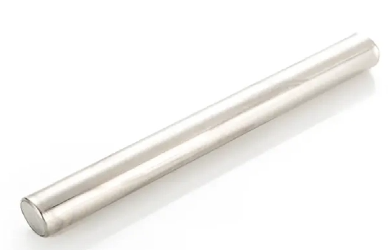
Rod Magnets: Cylindrical magnets that are ideal for use in linear applications, providing a uniform magnetic field along their length.
Cube Magnets: Small, cubic magnets that are often used in precision applications and experiments requiring compact, strong magnetic fields.
2.Properties of NdFeB Magnets
NdFeB magnets are known for their high energy density, which means they can produce a very strong magnetic field relative to their size. This property makes them ideal for applications that require compact, powerful magnets, such as in electric motors, wind turbines, and magnetic resonance imaging (MRI) machines. Additionally, NdFeB magnets have excellent resistance to demagnetization, which ensures they maintain their magnetic properties over time, even in harsh environments. These characteristics make them one of the most efficient and reliable types of permanent magnets available.
Advantages of Using NdFeB Magnets in Wind Turbines
1.High Efficiency
NdFeB magnets generate strong magnetic fields in a compact form, leading to more efficient power conversion in wind turbines. This results in higher energy output with reduced energy loss, optimizing the performance of turbine generators and enhancing overall efficiency.
2.Smaller and Lighter Motors
Using Neodymium Bar, Block, Rod, and Cube Magnets reduces the size and weight of the motor. These compact magnets allow for lighter and more efficient motors, improving turbine design by lowering structural support needs, reducing transport costs, and simplifying installation.
3.Durability and Longevity
NdFeB magnets are highly durable and resistant to wear, ensuring longer lifespan for wind turbines. Their stability and resistance to demagnetization, even in harsh conditions, reduce maintenance needs and extend operational life, making wind turbines more reliable and cost-effective.
Challenges and Considerations in Using Permanent Magnets for Wind Turbines
1.Rare Earth Supply Issues
One of the key challenges in using NdFeB magnets for wind turbines is the potential scarcity of rare earth elements, especially neodymium. These materials are primarily sourced from a limited number of countries, which makes the supply chain vulnerable to disruptions due to geopolitical tensions or market fluctuations. The limited availability of these resources can lead to supply shortages, potentially impacting production and increasing material costs for wind turbine manufacturers.
2.Environmental and Sustainability Concerns
The mining of rare earth elements for NdFeB magnets raises significant environmental concerns, such as habitat destruction, water contamination, and high energy consumption. As demand for these magnets grows, it is crucial to address these environmental impacts. Recycling and reuse technologies are emerging as solutions to mitigate these concerns. By recycling NdFeB magnets from old wind turbines, electronics, and other products, manufacturers can reduce the need for new mining, thus helping to preserve natural resources and minimize environmental damage.
3.Cost Considerations
While NdFeB magnets offer substantial performance benefits, they come with a higher upfront cost due to the expensive materials and manufacturing processes involved. However, the long-term benefits, such as increased efficiency, reduced maintenance, and improved durability, help offset these initial costs. The superior performance of NdFeB magnets leads to lower operational costs over the lifespan of wind turbines, making them a worthwhile investment for long-term sustainability and cost-effectiveness.
The Future of Permanent Magnets in Wind Energy
1.Advancements in Permanent Magnet Technology
The future of NdFeB magnets in wind energy looks promising, with ongoing advancements focused on improving their efficiency, temperature resistance, and cost-effectiveness. Researchers are exploring ways to enhance the magnetic properties of NdFeB magnets to make them even more powerful while reducing the need for rare earth materials. Innovations in manufacturing techniques are also expected to lower production costs, making permanent magnets more affordable and accessible for wind turbine manufacturers.
2.Emerging Trends in Wind Turbine Design
As wind turbine design evolves, Neodymium Magnets will continue to play a central role in improving performance. Future trends include the development of larger, more powerful turbines with more compact and efficient generators. The use of NdFeB magnets in direct-drive wind turbines is becoming more prevalent, as they eliminate the need for a gearbox, reducing mechanical wear and increasing efficiency. Additionally, the integration of high-temperature resistant magnets will allow turbines to perform in more extreme environments, expanding their operational range and efficiency.
3.The Potential Impact of Wind Turbine Generator Magnets on the Global Renewable Energy Market
The increasing use of wind turbine generator magnets is set to have a significant impact on the global renewable energy market. As the demand for clean energy grows, NdFeB magnets will play a crucial role in making wind power more efficient and cost-effective. By improving turbine performance and durability, they will help reduce the overall cost of wind energy, making it more competitive with other forms of electricity generation. As the wind energy sector continues to expand, NdFeB magnets will be essential in driving the growth of renewable energy worldwide.
FAQ: Common Questions About Permanent Magnets in Wind Turbines
1.What makes NdFeB magnets ideal for wind turbine generators?
NdFeB magnets are ideal for wind turbine generators due to their high magnetic strength and energy density. These magnets generate powerful magnetic fields while remaining compact and lightweight, which allows wind turbines to achieve greater efficiency with smaller motors. The strong magnetic fields provided by NdFeB magnets enable the turbines to produce more power with less energy loss, making them essential for maximizing wind energy conversion.
2.How do NdFeB magnets reduce energy loss in wind turbines?
NdFeB magnets improve the energy efficiency of wind turbines by creating strong, stable magnetic fields that reduce energy loss during power conversion. Unlike traditional electromagnets that require continuous electrical power to generate a magnetic field, NdFeB magnets maintain their magnetism without needing additional energy input. This reduces energy waste and allows the turbine to operate more efficiently, optimizing power output and extending the lifespan of the turbine.
3.What are the environmental concerns related to using NdFeB magnets in wind turbines?
The mining of rare earth elements used in NdFeB magnets raises significant environmental concerns, including habitat destruction, water pollution, and high energy consumption. The extraction of materials like neodymium and dysprosium often involves environmentally harmful processes. However, advancements in recycling and reuse technologies are helping to mitigate these issues. By recycling NdFeB magnets from decommissioned wind turbines and other electronic devices, the demand for new mining can be reduced, helping to preserve natural resources and minimize environmental damage.
4.Will the cost of NdFeB magnets decrease as wind turbine technology advances?
While NdFeB magnets are currently more expensive due to the high cost of rare earth elements and complex manufacturing processes, ongoing research and technological innovations are expected to reduce production costs over time. As new manufacturing techniques and more efficient magnet designs are developed, the cost of NdFeB magnets is likely to decrease. Additionally, improved recycling methods could further drive down costs by reducing the need for newly mined materials, making wind turbines more affordable and further accelerating the adoption of renewable energy.
Conclusion
In conclusion, NdFeB magnets are essential to the continued growth and efficiency of wind energy technology. Their exceptional magnetic strength, high energy density, and compact size make them ideal for use in wind turbine generators, enabling more efficient power generation with smaller, lighter motors. As wind turbine design evolves, NdFeB magnets will continue to play a central role in improving turbine performance, reducing energy loss, and enhancing durability. While challenges such as rare earth supply and environmental concerns persist, advancements in recycling technologies and cost-effective manufacturing methods are paving the way for a more sustainable future. With ongoing innovations, NdFeB magnets will remain a key driver in the expansion of renewable energy, helping to reduce costs, improve efficiency, and contribute to a cleaner, greener planet.