Integrating an Industrial N40 Neodymium Magnet into production lines creates a distinct tension. Engineers demand high magnetic yield for optimal performance. Facility managers must simultaneously mitigate severe safety liabilities. You cannot ignore the physical realities of these powerful components.
The N40 grade represents an ideal industrial sweet spot. It perfectly balances thermal stability and immense magnetic pull. However, mishandling it still unleashes enough force to shatter fingers or destroy sensitive factory equipment instantly. A lack of awareness turns a standard component into a workplace hazard.
We will equip facility managers and procurement engineers with verifiable safety protocols and robust storage frameworks. You will discover practical evaluation criteria to confidently deploy these magnets. Implementing these proven strategies ensures safe operations without increasing your overall workplace liability.
Key Takeaways
- Mechanical Risks: N40 neodymium magnets are sintered and highly brittle; uncontrolled impacts cause them to shatter, creating hazardous shrapnel.
- Handling SOPs: Mandatory use of heavy-duty PPE (non-magnetic gloves, eye protection) and non-ferrous tools is required for industrial assembly.
- Storage & Shielding: Proper inventory management requires dedicated isolation zones, non-magnetic spacers (wood, brass, or plastic), and strict pacemakers/electronics hazard signage.
- Vendor Accountability: Sourcing should prioritize suppliers that provide comprehensive material safety data, proper magnetic shielding during transit, and clear handling documentation.
The Business Case: Managing the Liability of High-Power Magnets
Industrial buyers face a complex functional balancing act. You must weigh the operational benefits of an Industrial N40 Neodymium Magnet against hidden operational risks. These components drive modern motors, magnetic separators, and heavy-duty sensors. However, uncontrolled usage invites severe workplace injuries. OSHA scrutiny often follows mechanical accidents. Damaged electronic infrastructure also causes massive operational headaches.
Proper safety protocols focus purely on continuous outcomes. Strict handling guidelines ensure zero-downtime integration across your facility. Protective measures shield your personnel from sudden impact injuries. Furthermore, isolating these units extends their lifecycle. Preventing mechanical collisions preserves the brittle surface coating.
Trust requires total transparency regarding material capabilities. The N40 grade is not the absolute strongest variant available. Grades like N52 output significantly higher maximum energy products. Yet, N40 still generates lethal force in large industrial dimensions. Its magnetic pull destroys standard electronic devices instantly. Unprotected appendages remain highly vulnerable to sudden clamping forces.
Common Operational Risks vs. Mitigation Strategies | Operational Hazard | Business Impact | Proven Mitigation Strategy |
| Unexpected component collision | Material loss and worker injury | Implement strict isolation zones and non-ferrous tools |
| Electronic interference | PLC failure and data corruption | Establish rigid 5-gauss boundary lines around storage |
| Improper manual handling | Lost time incidents and OSHA fines | Mandate heavy-duty PPE and separation jigs |
Identifying Core Hazards of an Industrial N40 Neodymium Magnet
Crush and Pinch Hazards
Localized trauma represents the most immediate physical threat on the floor. Large magnets attract loose ferrous objects from surprising distances. They also attract one another aggressively. Two large blocks sliding together will instantly trap fingers or limbs. The clamping force routinely exceeds hundreds of pounds. Workers cannot manually pry them apart once connected. This sudden acceleration catches even experienced technicians off guard.
You must respect the inverse square law of magnetic fields. The pull force increases exponentially as objects move closer. A component appearing dormant at twenty inches becomes a projectile at ten inches. Common mistakes involve leaving wrenches or screwdrivers nearby during installation. These tools become dangerous flying objects.
Brittleness and Shrapnel Risks
Implementation realities demand an understanding of material structure. Sintered neodymium acts much like hardened ceramic. Many technicians hold a dangerous misconception regarding metal durability. They assume heavy components will survive drops or impacts. This assumption is entirely false.
Violent impacts cause the material to chip, spark, or shatter entirely. When two units collide, they send razor-sharp fragments flying outward. This shrapnel travels at high velocities across workstations. The protective nickel-copper-nickel plating offers zero structural reinforcement against hard collisions. You must treat them as fragile glass objects rather than solid steel bricks.
Medical and Electronic Interference
Invisible magnetic fields penetrate human tissue and standard structural walls. You must establish strict safety radiuses for all sensitive devices. Pacemakers and Implantable Cardioverter Defibrillators (ICDs) malfunction when exposed to strong fields. The industry standard designates the 5-gauss line as the absolute safety boundary.
Electronic disruption extends well beyond human medical devices. Industrial Programmable Logic Controllers (PLCs) suffer erratic resets near strong fields. Unshielded hard drives experience permanent data erasure. Sensitive calibration equipment loses accuracy permanently if placed too close. Facility managers must map these invisible interference zones accurately.
Safety Radius Chart (5-Gauss Line Reference) | Magnet Size & Shape | Estimated 5-Gauss Distance | Primary Risk Area |
| 1-inch Cube (N40) | ~12 inches (30 cm) | Personal electronics, watches |
| 2-inch Cylinder (N40) | ~24 inches (60 cm) | Pacemakers, sensitive PLCs |
| 4-inch Block (N40) | ~36+ inches (90+ cm) | Industrial hard drives, AGV sensors |
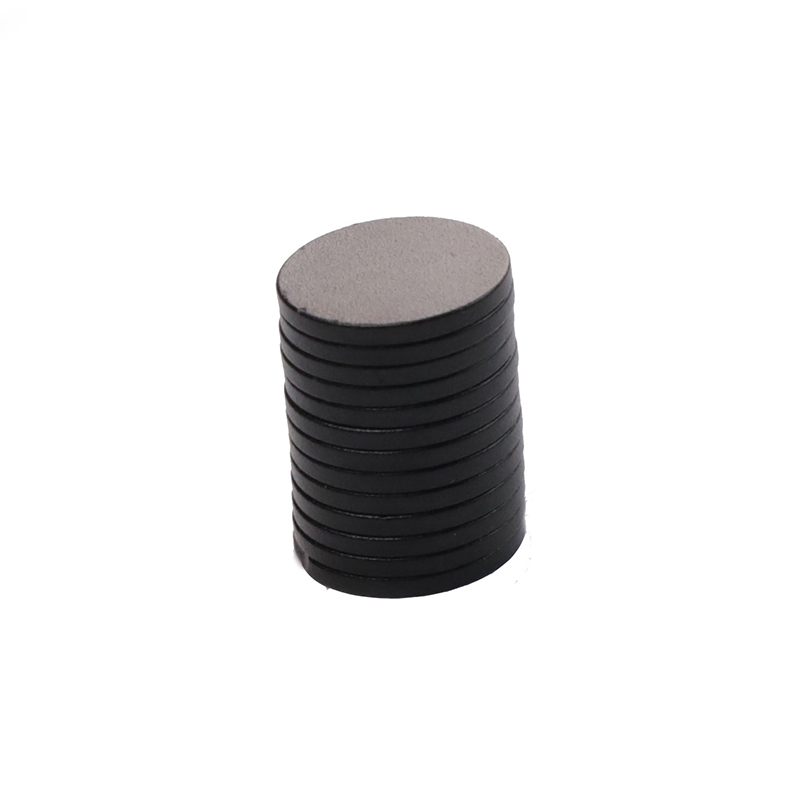
Establishing Safe Handling Procedures (SOPs) for the Shop Floor
Mandating precise handling procedures prevents catastrophic accidents during daily operations. Safety heavily relies on consistent human compliance. Facility managers must enforce these rules strictly.
Required PPE
Personal Protective Equipment forms the first defense layer. Technicians must wear ANSI-rated safety goggles during every interaction. Eye protection stops high-velocity shrapnel during unexpected collisions. Furthermore, workers need heavy-duty protective gloves. Kevlar-lined or thick leather gloves mitigate minor pinch points. While gloves cannot stop a major crushing incident, they prevent deep lacerations from sharp magnetic fragments.
Workstation Preparation
An unprepared workstation invites immediate disaster. Technicians must secure the surrounding environment before opening any packaging. Proper preparation involves strict adherence to non-ferrous guidelines.
- Clear all loose ferrous tools from the immediate assembly area.
- Remove standard wrenches, steel rulers, and conventional screwdrivers.
- Mandate the exclusive use of beryllium-copper tools during installation.
- Provide aluminum or 300-series stainless steel fasteners for securing mounts.
- Remove personal items like keys, watches, and steel-toed boots if highly sensitive.
Separation Techniques
Separating large units requires applied physical mechanics, not brute strength. Never attempt direct vertical pulling. Human arms cannot overcome the sheer pull force safely. Best practices dictate using sliding sheer force.
- Place the connected units securely on a sturdy, non-magnetic wooden desk edge.
- Position the bottom unit firmly against the physical lip of the desk.
- Apply heavy downward body weight onto the top unit using gloved hands.
- Push the top unit horizontally to slide it off the magnetic axis.
- Insert a thick wooden spacer immediately once the pieces separate.
Storage, Shielding, and Inventory Management
Leaving raw magnets exposed in a standard warehouse racks invites chaos. Inventory management requires specialized environmental controls. Proper storage preserves material integrity while protecting your workforce.
Isolation Zones
Facilities must specify and construct magnetically shielded storage areas. Keep these isolation zones far away from high-traffic employee corridors. Automated Guided Vehicles (AGVs) rely on sensitive navigation sensors. Magnetic fields easily blind or confuse AGV guidance systems. Route autonomous traffic well around the designated storage perimeter.
Spacers and Packaging
Direct stacking creates massive, unmanageable magnetic blocks. Require thick non-magnetic spacers between every single unit. High-density polyethylene or thick wood works exceptionally well. These specific materials disrupt the magnetic circuit effectively. Proper spacing allows technicians to manually handle individual pieces later. Never use thin cardboard; heavy fields compress it instantly.
Signage & Compliance
Visual communication prevents accidental exposure. Adhere strictly to national laboratory-grade safety standards. Mandate highly visible warning placards at all entry points. Use bold text stating "High Magnetic Field" and "No Pacemakers Beyond This Point." Clear signage keeps uneducated visitors and contractors safely outside the danger zone.
Evaluating Suppliers for Industrial N40 Neodymium Magnets
Not all material vendors understand the critical safety requirements of heavy industry. You must evaluate partners thoroughly before issuing purchase orders.
Shortlisting Logic
Guide your procurement team to evaluate vendors based on strict safety compliance. Sourcing an Industrial N40 Neodymium Magnet safely matters more than finding the lowest unit price. Cheap suppliers often cut corners on critical shipping shields and documentation. Look for vendors possessing explicit quality control certifications. They should demonstrate a deep understanding of hazardous material handling.
Shipping & Packaging Standards
Transportation regulations govern magnetic materials strictly. A reputable supplier must ship high-power units in specialized packaging. Magnetically shielded, steel-lined boxes contain the stray fields during transit. This compliance ensures safe passage under IATA air freight rules. It also meets rigorous DOT regulations for ground transport. Improperly packaged fields can disable aircraft navigation equipment.
Documentation
Do not accept shipments lacking proper technical paperwork. Demand clear Material Safety Data Sheets (MSDS) tailored to neodymium. Request highly accurate pull-force charts for your specific dimensions. Review specific handling disclaimers before integrating the components. Comprehensive documentation protects your facility during regulatory audits. It also guides your internal engineering teams.
Actionable Next Step
Encourage your engineers to consult directly with the vendor’s application team. Verify if the N40 grade represents the safest choice. Discuss your specific operating temperatures and environmental conditions. Professional application engineers will highlight potential thermal demagnetization risks. They ensure your chosen specifications match your facility's reality perfectly.
Conclusion
Deploying powerful magnetic components safely requires a fundamental mindset shift. You must treat an industrial neodymium unit as a hazardous mechanical component. It is never just a standard factory fastener. The sheer force it commands demands absolute respect and strict protocol enforcement.
Implement non-ferrous workstations immediately to protect your assembly teams. Establish rigid isolation zones to secure your electronic infrastructure. Demand proper shielding and documentation from your chosen supply chain partners. Taking these specific actions minimizes facility liability drastically.
Direct your engineering and procurement teams to prioritize safety today. Contact your internal technical experts to review current sourcing frameworks. Request shielded bulk shipping for all future inventory orders. Take time to review custom assembly solutions tailored precisely to your facility's unique compliance standards.
FAQ
Q: What is the safe operating distance for pacemakers around N40 magnets?
A: It depends heavily on the magnet's mass. However, standard industrial guidelines recommend maintaining a minimum distance of 12 to 24 inches (30-60 cm). This usually clears the critical 5-gauss line limit. Always consult medical professionals and your facility safety officers for specific mass-to-distance calculations.
Q: How do you safely separate two large N40 magnets that are stuck together?
A: Never use direct pulling or metal wedges. You must use a heavy wooden desk edge or a custom non-magnetic jig. Slide them apart laterally using strong sheer force while wearing heavy protective gloves. Insert a non-magnetic spacer immediately after separation.
Q: Does temperature affect the safety and handling of N40 magnets?
A: Yes. Standard N40 magnets lose permanent magnetization above 80°C (176°F). Overheating causes the unexpected release of held loads. This creates a severe mechanical drop hazard. Always monitor environmental operating temperatures closely.
Q: Can N40 magnets spark upon impact?
A: Yes. The friction and violent shattering of the nickel-copper-nickel plating creates distinct sparks. The exposed neodymium material itself acts similarly. This makes them a severe fire hazard in explosive or highly flammable industrial atmospheres.